
3 Week West Coast Australia Itinerary
The west coast of Australia is known for its pristine nature, vast beaches and adventurous atmosphere. Unlike the east coast, it's considerably quieter and less touristy, which means you still get a real sense of "the real Australia". From the red cliffs in Kalbarri to the turquoise water at Exmouth and the white sandy beaches of Esperance. The west coast offers an impressive variety of rugged coastlines, desert landscapes and tropical paradises.
In this blog I'll take you through a 3-week road trip from Broome to Perth that I did myself in October 2024. Western Australia is my personal favourite state in Australia and guarantees a real adventure.
Please note!
This road trip is largely determined by the type of transport you choose. You can complete the route with either a campervan or a 4WD. With a campervan you can still visit all the highlights, whilst being better protected against changing weather conditions and enjoying the comfort of your own home on wheels along the way. Travel with a 4WD, on the other hand, and you'll get the freedom to discover more remote spots and add an extra touch of adventure to your journey.
In this blog I'm assuming travel by campervan, as this is the most accessible and popular way to explore Australia's west coast.
Fancy heading off the beaten track and want to know more about spots that are only accessible with a 4WD? Feel free to get in touch. We're happy to help you with personal advice!
Day 1-2: Broome
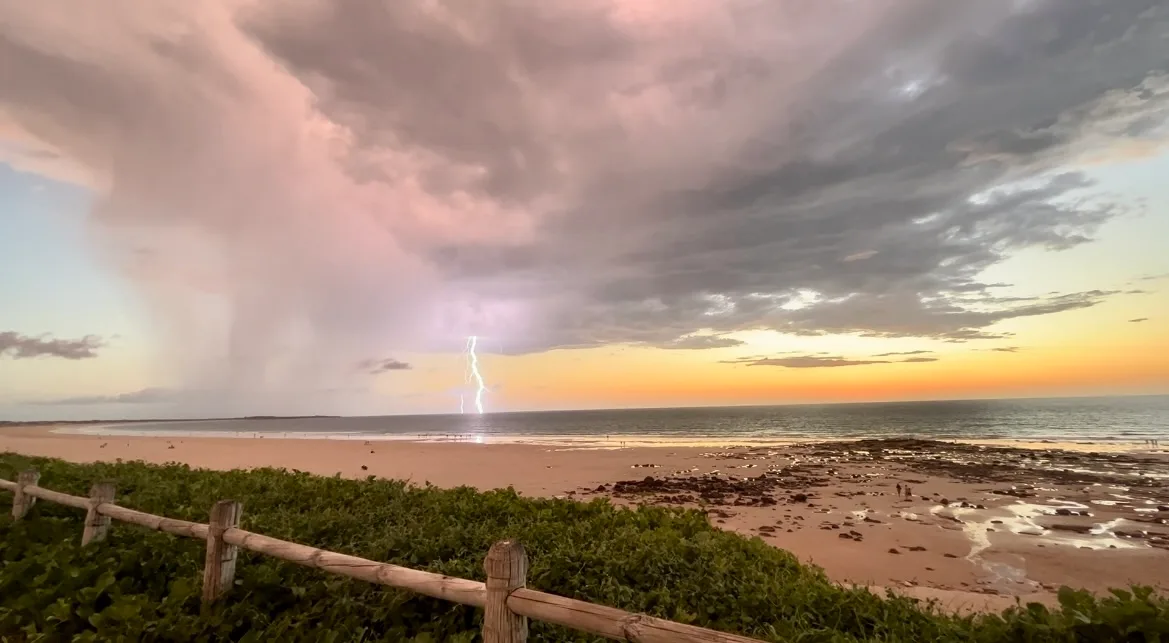
After working a whole season in the Kimberley (Northwest Australia), we started our road trip in Broome at the beginning of October. During our stay there, we visited Gantheaume Point, a special place where you can see, at low tide, the ancient dinosaur footprints in the rocks. You'll also find a beautiful beach there where you can even drive your car onto. The ideal spot to spend a relaxed afternoon and unwind a bit before the road trip begins.
The next day we drove to Coconut Wells, a stunning location about 20 kilometres north of Broome. This spot transforms into a large natural lagoon at high tide and into a series of rock pools at low tide. You can enjoy lovely walks along the water or relax floating on an inflatable ring whilst taking in the peace and the views.
Great places to eat and drink in Broome
- Matso's Brewery
- Cable Beach House
- Mangrove Hotel
- Good Cartel (pick-up)
- Divers Tavern
If you're interested in Broome's fascinating pearling history, a visit to the Broome Historical Museum is well worth your time. You might be surprised by just how closely the Netherlands is connected to the history of Broome and its pearling industry.
Another absolute must is Willie Creek Pearl Farm. You can either drive there yourself in a 4WD or join a tour with transfers from Broome. Enjoy a relaxing cruise through the turquoise waters of Willie Creek and discover how some of the world's finest pearls are cultivated during a live pearl harvesting demonstration.
Day 3: Broome → South Hedland
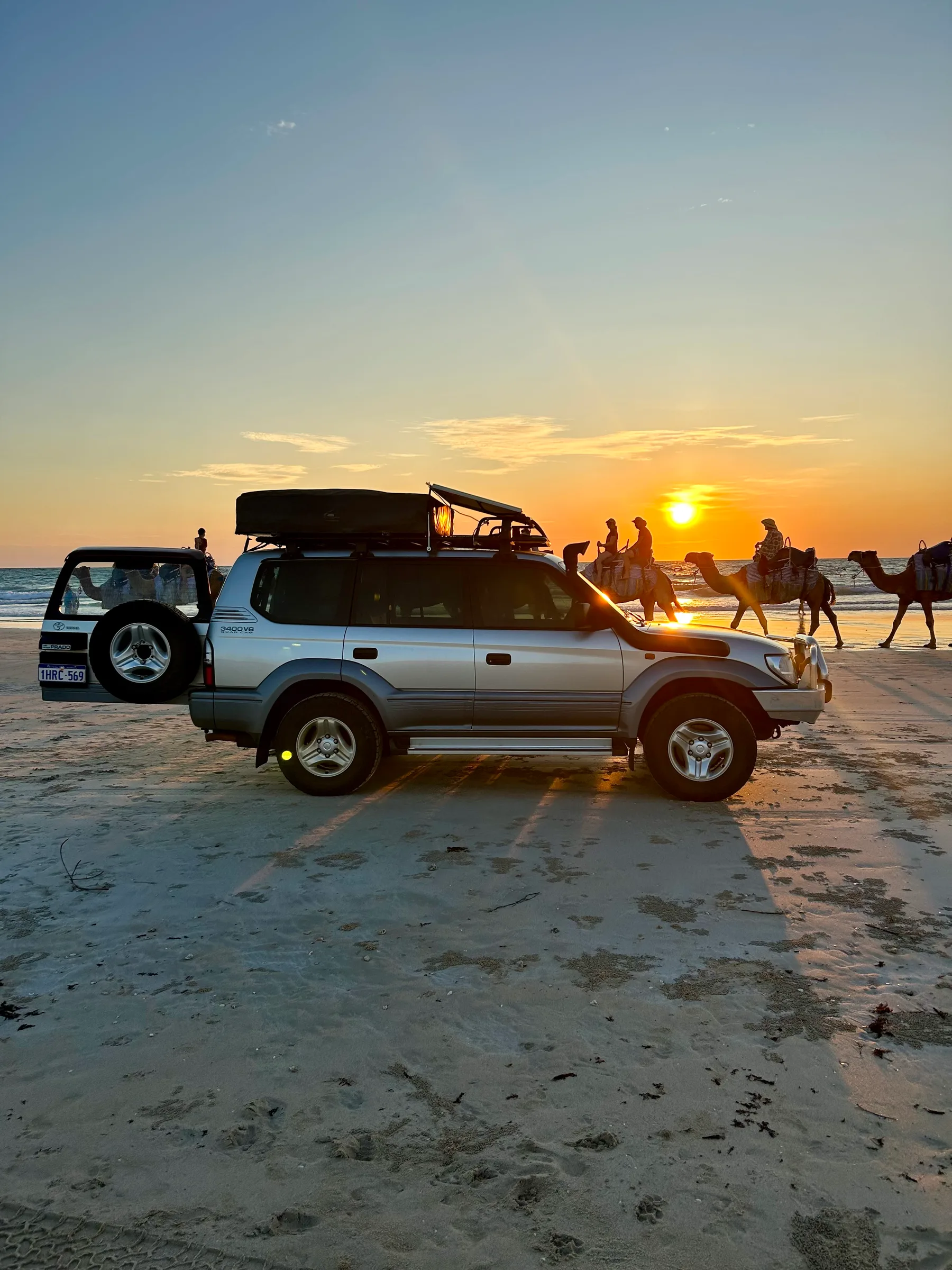
This day was entirely dedicated to covering distance towards our next destination: Karijini National Park. Because the distance was too great to cover in one day, we chose a stopover in South Hedland. The area here is mainly industrial, so we didn't do much. We had a swim at the campsite and fired up the barbecue in the evening.
Day 4-6: South Hedland → Karijini National Park
Karijini National Park, located in the Pilbara region of Western Australia, is one of the country's most impressive natural parks. The park is renowned for its deep red-coloured gorges, crystal-clear waterholes and waterfalls hidden amongst the rocks. You can hike through ancient ravines here, swim in the refreshing natural pools and enjoy panoramic views across the rugged outback. Karijini is rugged, remote and breathtakingly beautiful. A place where nature remains pure and untouched.
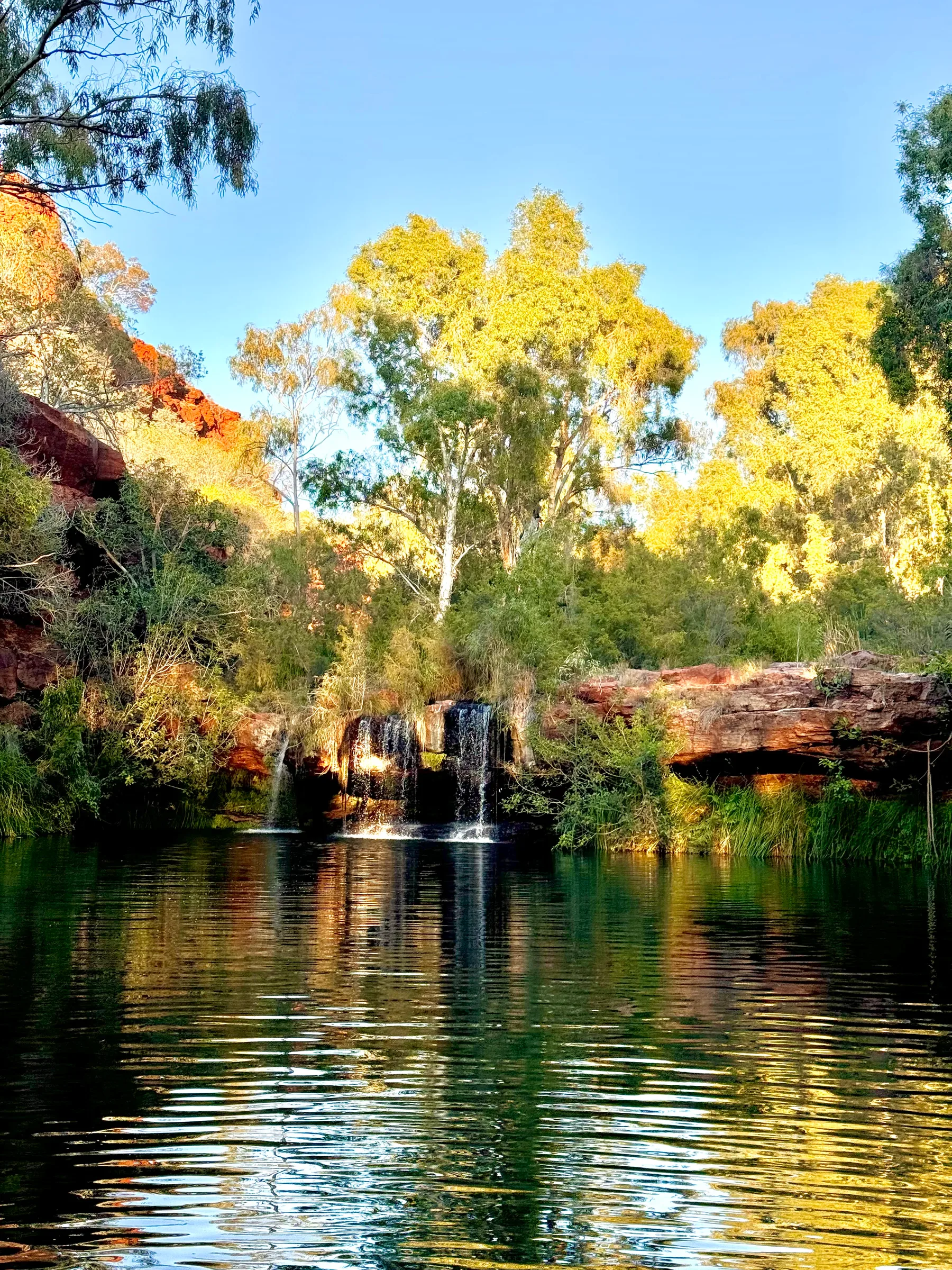
We arrived at the park just before lunchtime and stayed at Dales Campground for our first night. In the afternoon we walked through Dales Gorge, enjoyed the Fortescue Falls and swam in Fern Pool and Circular Pool.
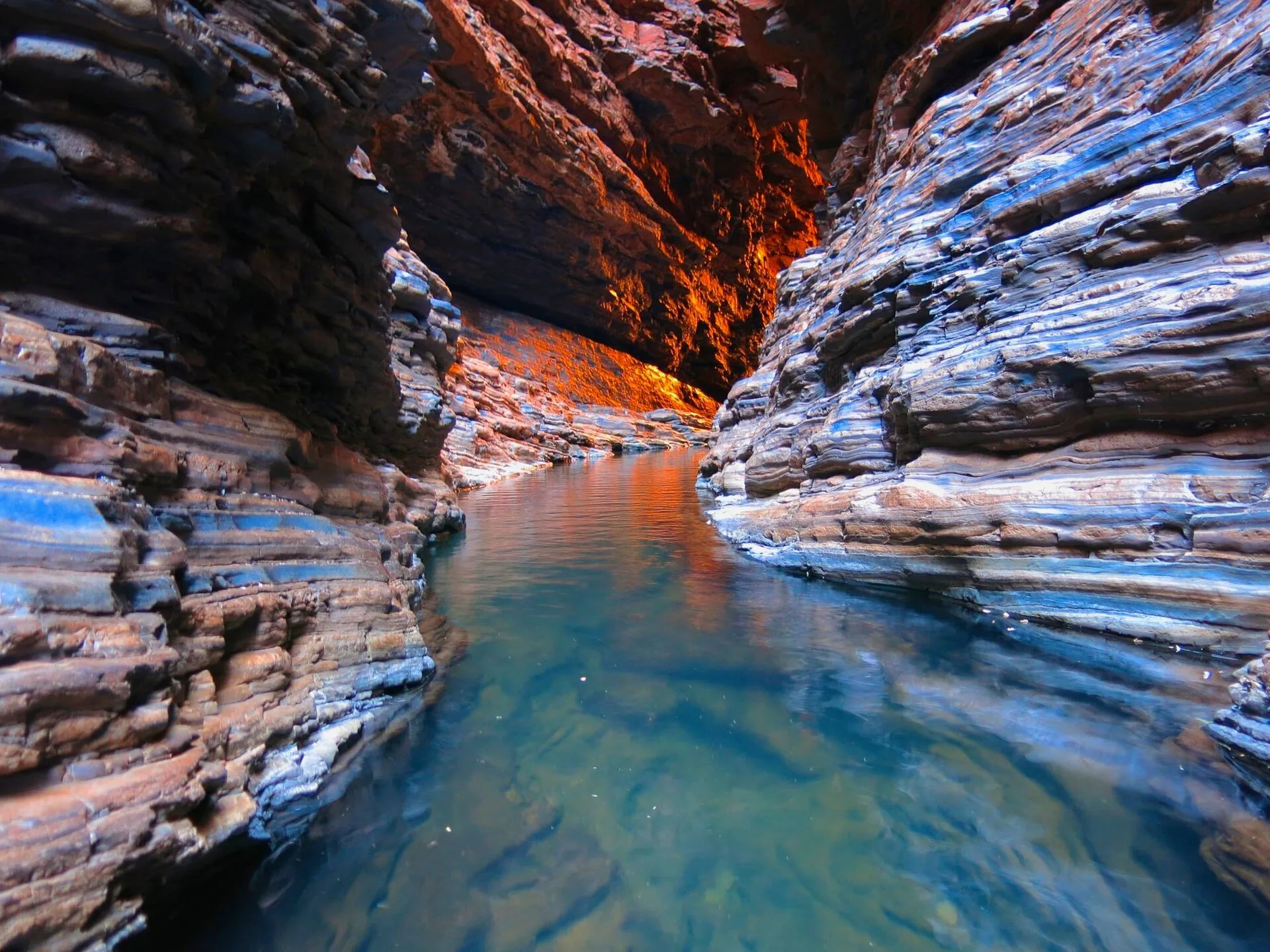
The next day we drove to Karijini Eco Retreat & Savannah Campground, located in the heart of Karijini National Park. This would be our base for the next two nights. We spent the day exploring Hancock Gorge and Weano Gorge, two of the park's absolute highlights. Expect short descents, ladders, creek crossings and scrambling through narrow rock passages. The reward at the end is a refreshing swim in crystal-clear water, something you'll be more than grateful for on a warm day. Every step to get there is absolutely worth it.
After that, we went to see Joffre Falls. The water was still flowing but to a lesser extent. The earlier in the season you are here, the more spectacular it will be!
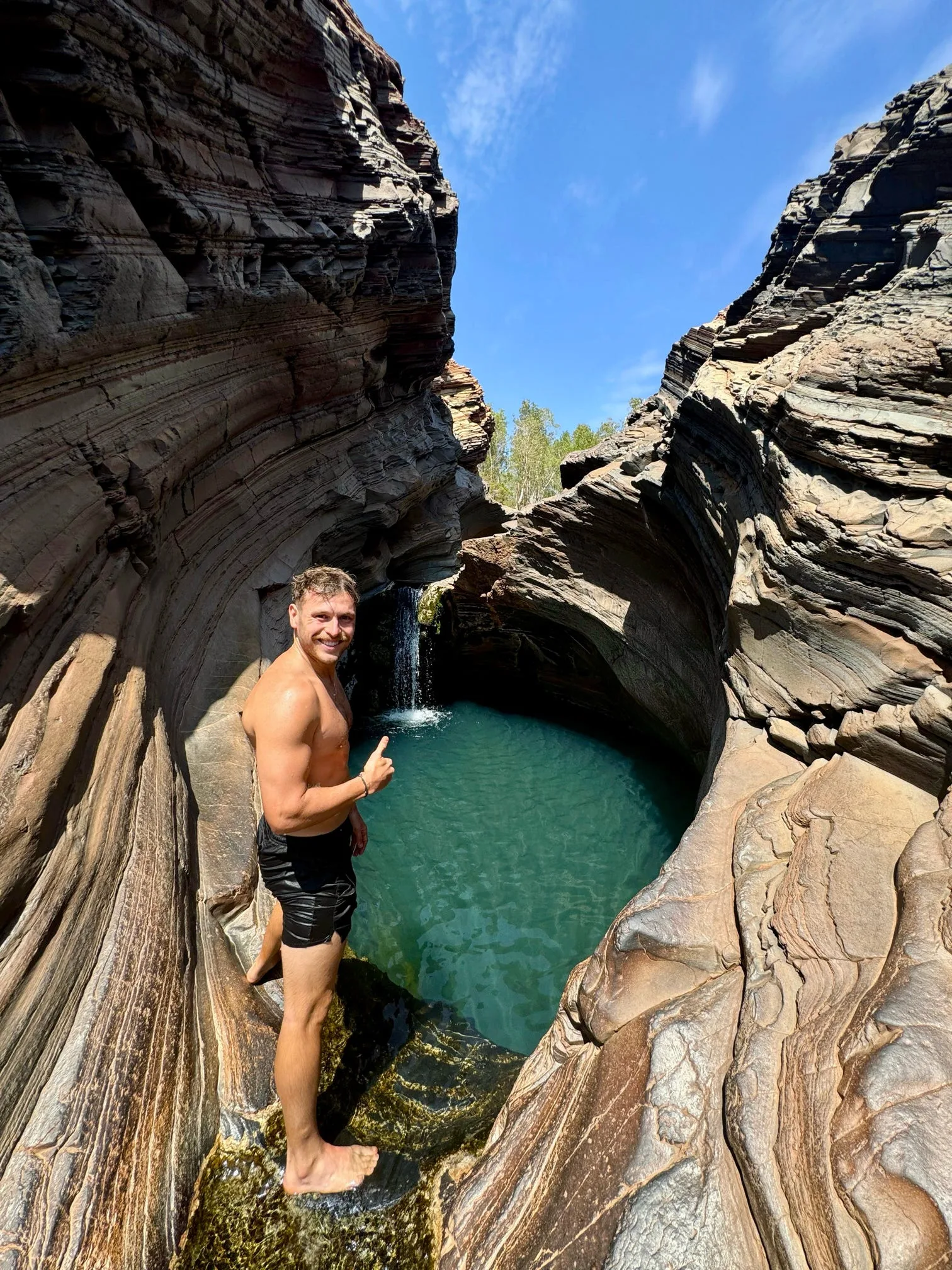
The following morning, Hamersley Gorge was on the agenda. This was one of our favourites! After a steep walk down, you arrive at a beautiful oasis with small waterfalls where you can swim wonderfully. If you really want an adventure, you follow the water as far as you can until you reach a sort of island. This is about 15 minutes of swimming but you're guaranteed to have the entire place to yourself!
Please note!
You can only reach Hamersley Gorge with a 4-wheel drive!
Check out 'Karijini National Park: Western Australia's most beautiful national park'
Day 7: Karijini → Bullara Station
This day was once again all about covering a fair distance driving towards Exmouth. You can certainly do this in one day, but if you have the time it's better to plan an overnight stop along the way. We chose to drive a good stretch this day and stay overnight at Bullara Station Stay, about 120km from Exmouth.
It's one of the most unique station stays I've ever visited. There's a fantastic atmosphere and a number of unique old farm machines around the camp.
This is one of those campsites where you see the real Australian vibe reflected everywhere. From the campsites to even the showers!
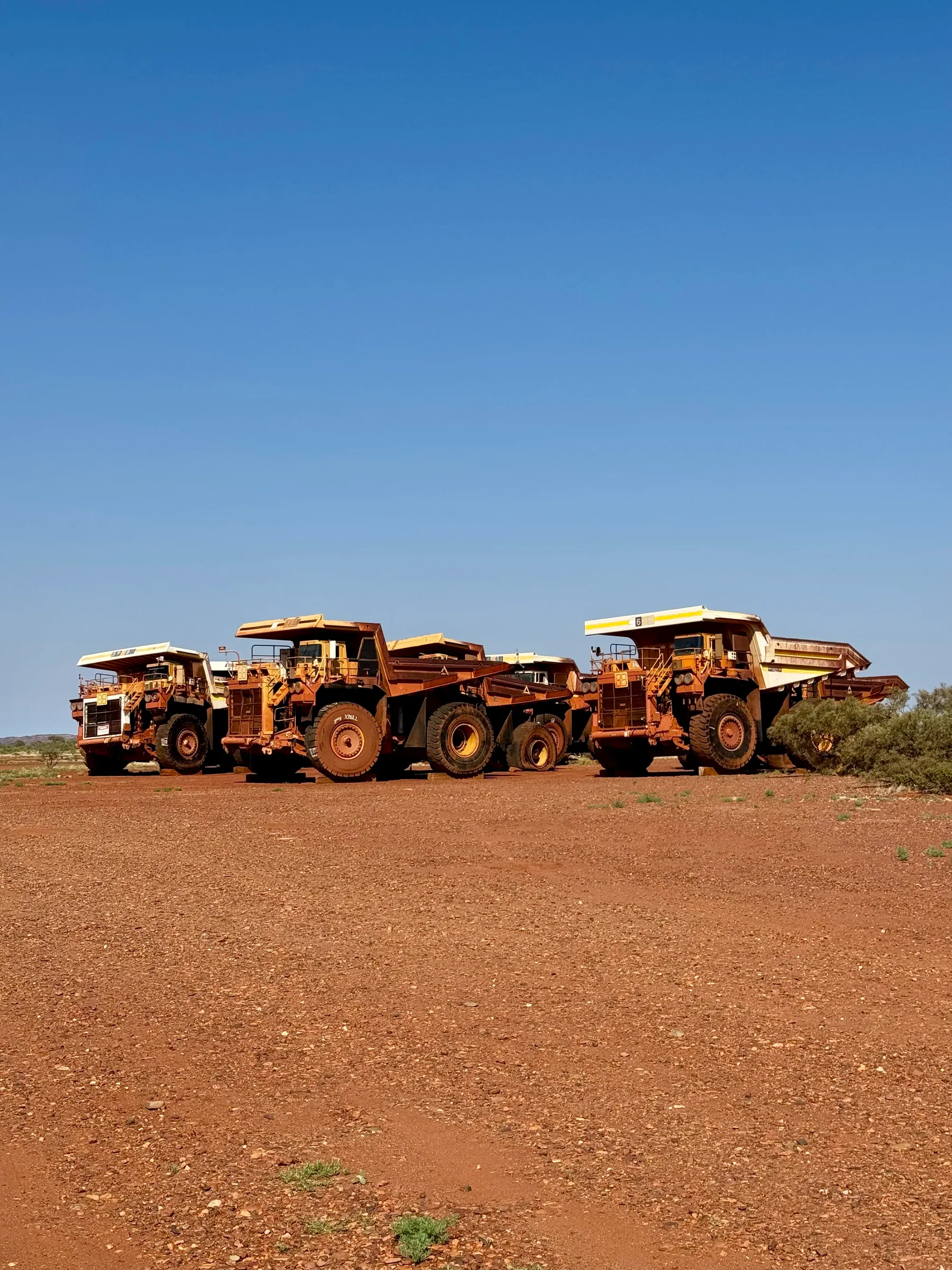
On the way we came across these abandoned dump trucks. As tall as a house!
Day 8-11: Bullara Station → Exmouth
Because the drive to Exmouth wasn't that long anymore, we took our time. When we arrived we were immediately enthusiastic. It's a really lovely spot where we wanted to stay longer than we'd initially planned.
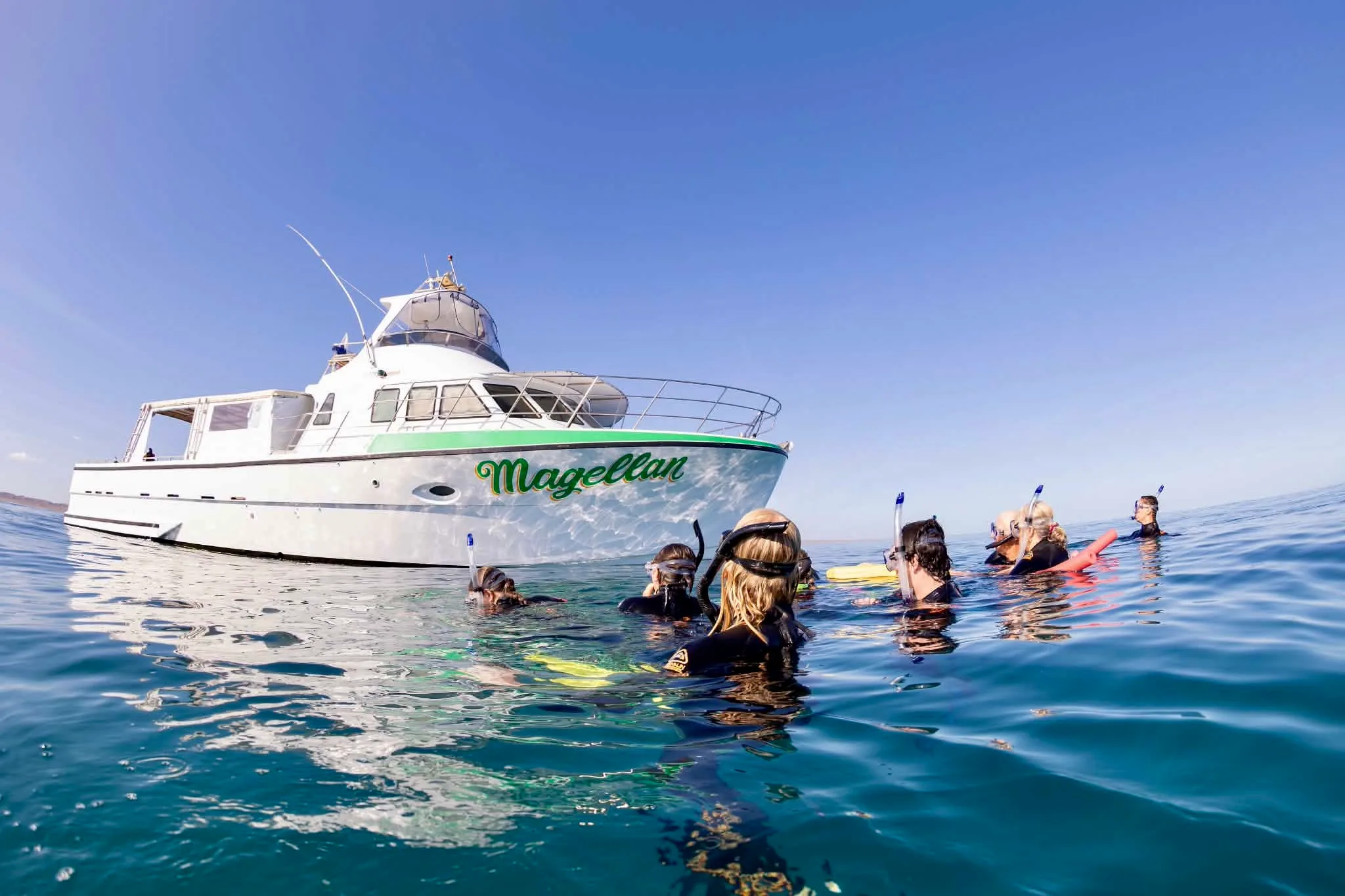
During your stay here you can snorkel at Turquoise Bay & Oyster Stacks. As part of the Ningaloo Reef, you can expect pearl-white beaches and crystal-clear blue water. If you love the beach, you can easily spend a whole day here, alternating snorkelling with relaxing in the sun. On the way back, you can enjoy the sunset at Vlamingh Head Lighthouse!
After a day of swimming and relaxing on the beach, it's wonderful to explore Cape Range National Park. Depending on the time of year, it's wise to start early to avoid the worst of the heat.
Recommended:
- Yardie Creek Gorge – A short walk along the cliff with views of the deep red walls and bright blue water below. With a bit of luck you'll spot black-footed rock wallabies. Tip: there's also a short boat trip through the gorge (about 1 hour).
- Mandu Mandu Gorge Walk – A 3 km walking trail with a mix of rocky terrain, beautiful views and the typical Australian outback atmosphere.
- Charles Knife Canyon Lookout – Located just outside the park, but ideal for sunrise if you're on the road early. The views over the gorges and the coast are spectacular.
Practical tips for Cape Range National Park
When you're visiting the park for at least a few hours, make sure you bring enough water, and possibly food. There are no facilities for this in the park itself so you want to be well prepared.
To enter the park you need to pay an entry fee of AUD $17 per vehicle. This can be done online or at the park entrance.
If you'd like more information about the options and possibilities within the park, visit the Milyering Discovery Centre. Here you'll find all information, maps and current tides.
Great places to eat and drink in Exmouth
- Whalebone Brewing Company
- Mutts Cafe & Restaurant
- Froth Craft Brewery
Day 12-13: Exmouth → Coral Bay
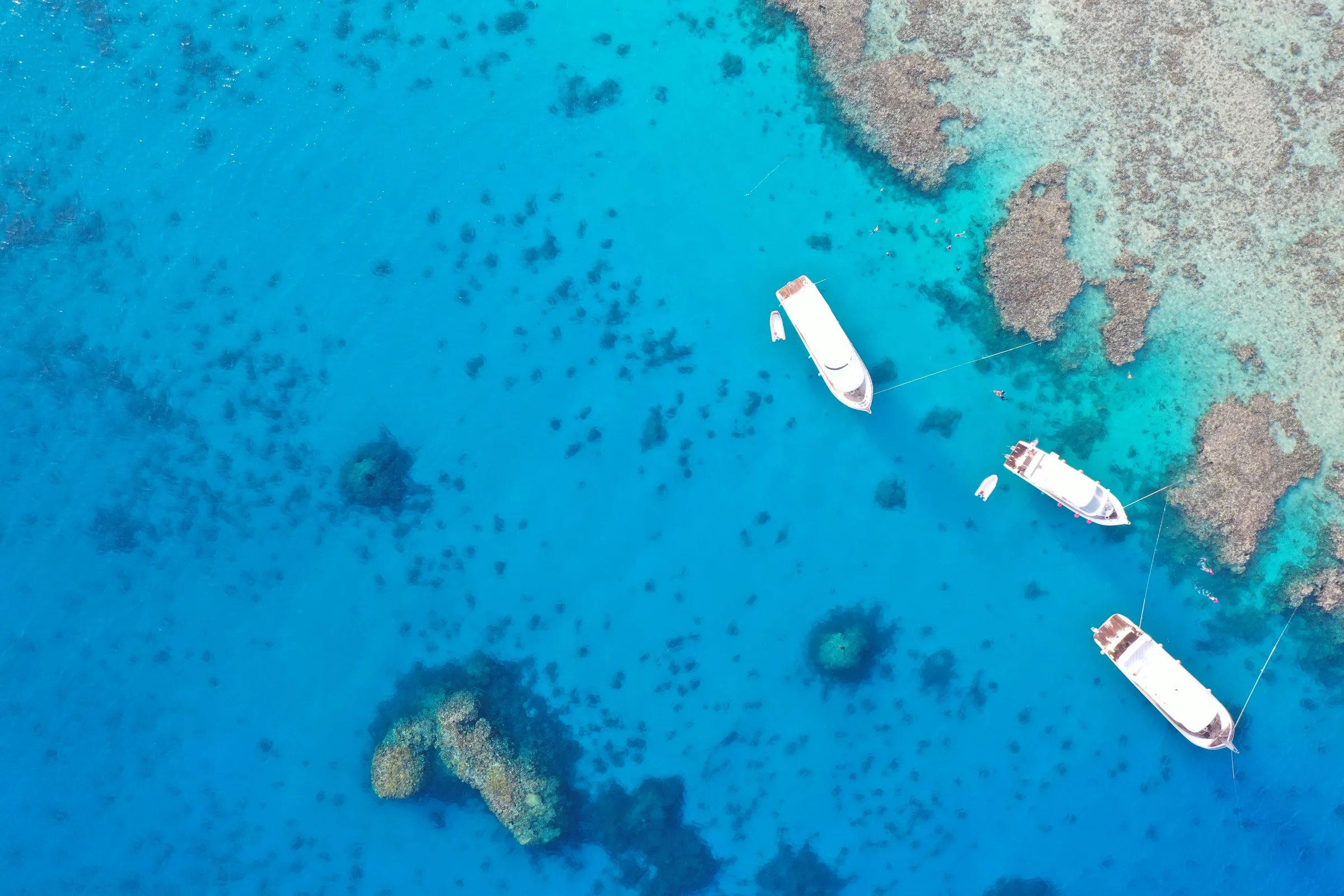
On to the next oasis! After spending a few wonderful days in Exmouth, it was time for the next paradise; Coral Bay! This charming coastal town sits right on the Ningaloo Reef, one of the few places in the world where the coral reef lies so close to the shore that you can literally snorkel to it from the beach. This town is quite a bit smaller than Exmouth and there are only a handful of cafes, a small supermarket and one petrol station.
We stayed here for two days and during our stay we snorkelled from the beach at Bill's Bay, did a glass-bottom boat tour with Coral Bay Eco Tours and enjoyed the tranquillity at Paradise Beach. During the boat tour, whilst we were sailing, we could see the coral through the glass bottom. You sail a little way from the beach to a section of coral that you can't reach from the shore. Here we did a snorkel and it was incredible what we encountered. From the most colourful fish to turtles and more!
A fun spot for food and drinks in the evening is Bills Bar. At weekends there's often live music and it can easily turn into a proper dance night!
Check out 'Ningaloo Reef: the coral reef close by'
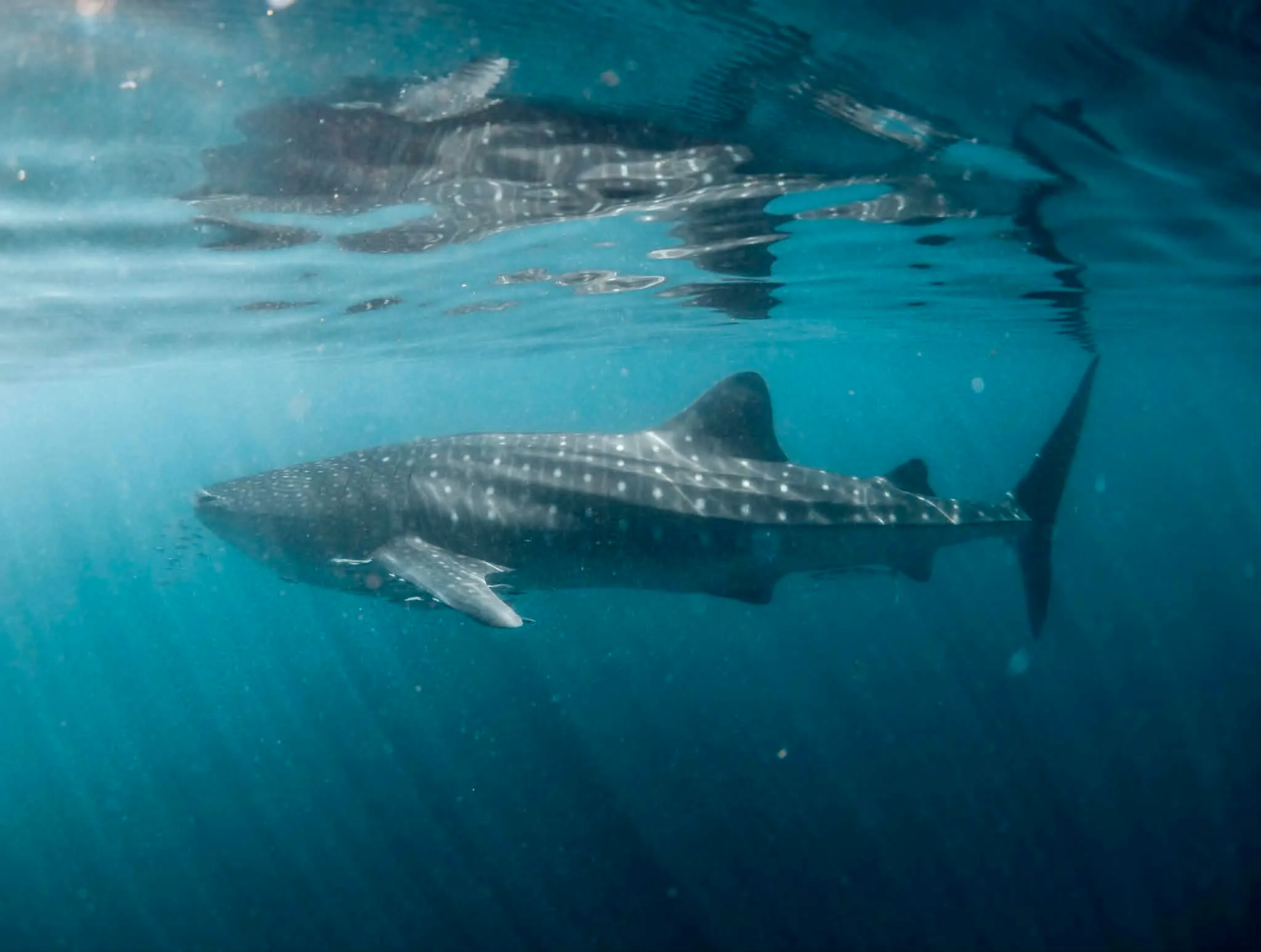
Day 14: Coral Bay → Wooramel Station
After Coral Bay we headed towards Monkey Mia, a drive of over six hours. To break up the distance we decided to make a stop along the way at Wooramel River Retreat. This special place, still an active cattle and goat station, offers an authentic outback experience in the middle of the Australian bush.
Alongside the beautifully situated camping spots you'll find a cosy café, naturally heated hot pools and several campfires where everyone gathers in the evening for a beer. It's the perfect place to unwind, do absolutely nothing and fully enjoy the peace and nature around you.
Dag 15-16: Wooramel Station → Monkey Mia
The next day we drove on towards Monkey Mia. Fortunately it wasn't far and we arrived towards the end of the morning. We took the rest of the day nice and easy and enjoyed the resort where we stayed (it has a campsite as well).
Feeding dolphins at Monkey Mia beach
Every morning between 07:45 and 12:00, the famous wild dolphins come right up to the shore. Rangers from the Department of Parks and Wildlife explain their behaviour, and a few visitors are allowed to help with feeding. It's a special moment, peaceful and completely different from commercial shows.
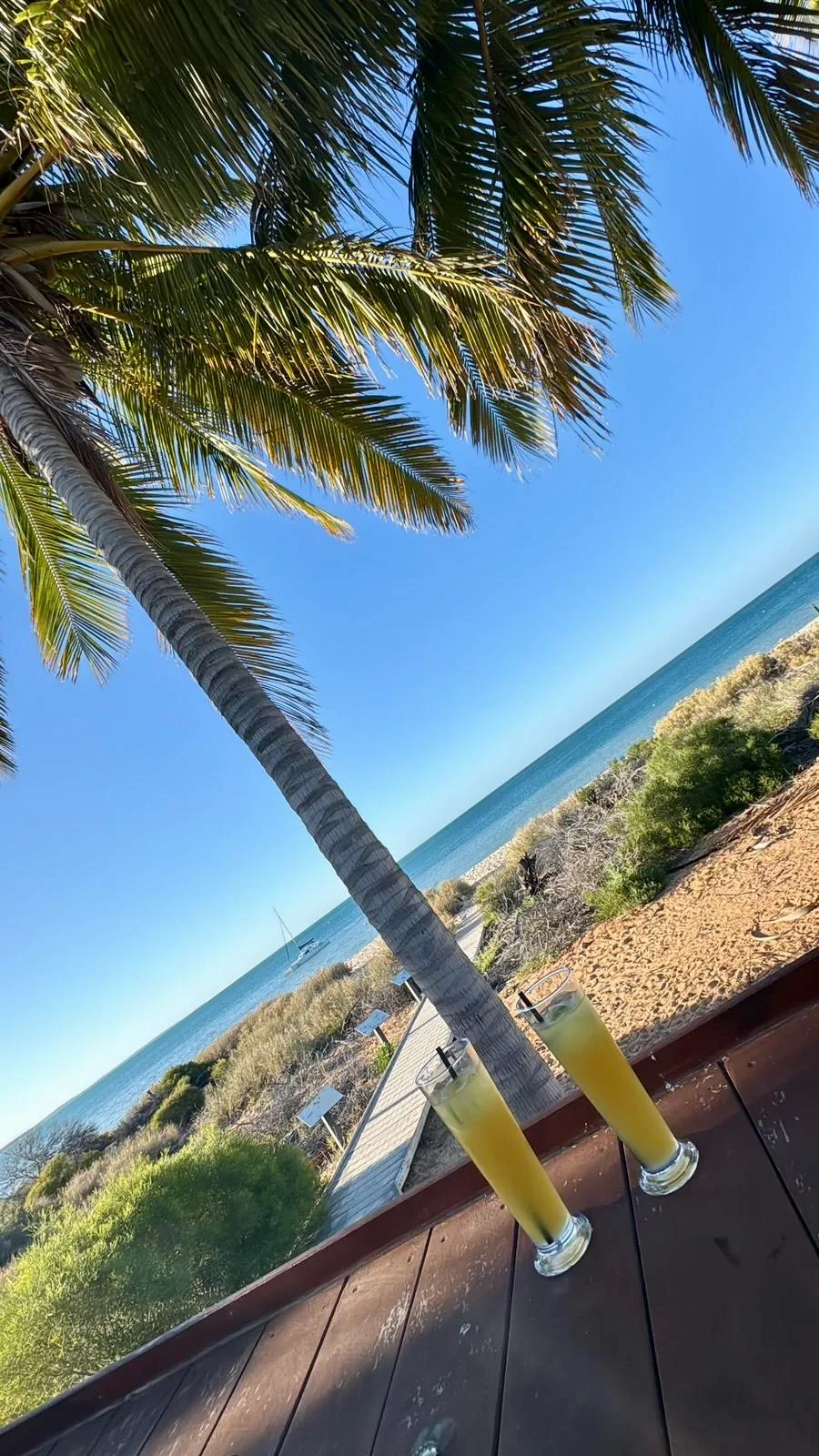
What to do in the afternoon
- Relaxing on the beach at Monkey Mia - The water is calm, clear and shallow. Ideal for swimming or snorkelling.
- Kayaking or paddleboarding - Hire a kayak and go searching for turtles, stingrays or dolphins in the bay. You don't need to paddle far to spot wildlife.
- Beach walk - Stroll towards Red Cliffs, the views over Shark Bay are particularly stunning at sunset.
What to do in the evening
- Sunset at the beach or jetty - Take a drink and enjoy the colours over the bay. The resort is beachfront so you can easily walk there.
- Dine at the Monkey Mia Dolphin Resort restaurant - Enjoy a delicious dinner to round off the day or cook for yourself at the campsite. Don't forget to look up every now and then. The starry sky here is incredibly clear!
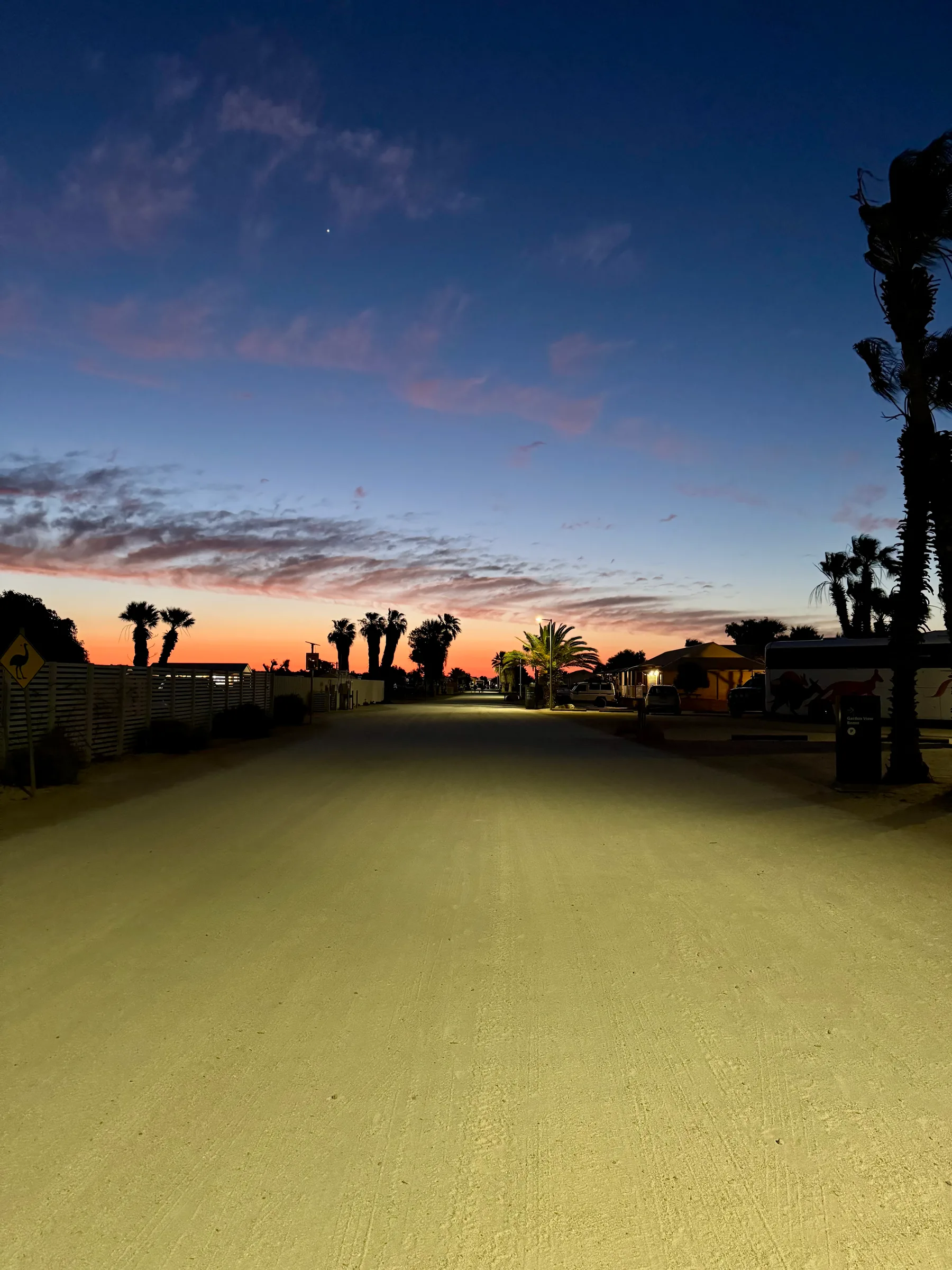
Day 17: Monkey Mia → Kalbarri
Around midday we arrived in Kalbarri. It's a charming coastal town located at the mouth of the Murchison River, about 6 hours' drive north of Perth. It's one of the most popular destinations along Western Australia's coast, and rightly so. The area combines dramatic red cliffs, tropical blue ocean and impressive river gorges in the middle of the desert.
Great places to eat and drink in Kalbarri
- Angie's Café
- Upstairs Restaurant
- Finlay's Kalbarri
- Kalbarri Edge Restaurant
Along the coast you'll find the Kalbarri Coastal Cliffs, a series of lookouts over the ocean where the waves crash against the red-orange rocks. Spots like Red Bluff, Pot Alley and Natural Bridge are all easily accessible with a normal car and show perfectly how rugged and beautiful Western Australia can be.
After we had lunch in the village, we drove on to visit the above spots along the coast. You don't need very much time at each place so it's very easy to do in an afternoon. Pot Alley was our favourite. The water comes into this inlet with brute force and makes it a spectacular experience.
The town itself has a relaxed, typically Australian atmosphere: small cafés, friendly locals and views over the river where pelicans often swim. But the real highlight lies just outside the village, in Kalbarri National Park, where we drove the following morning.
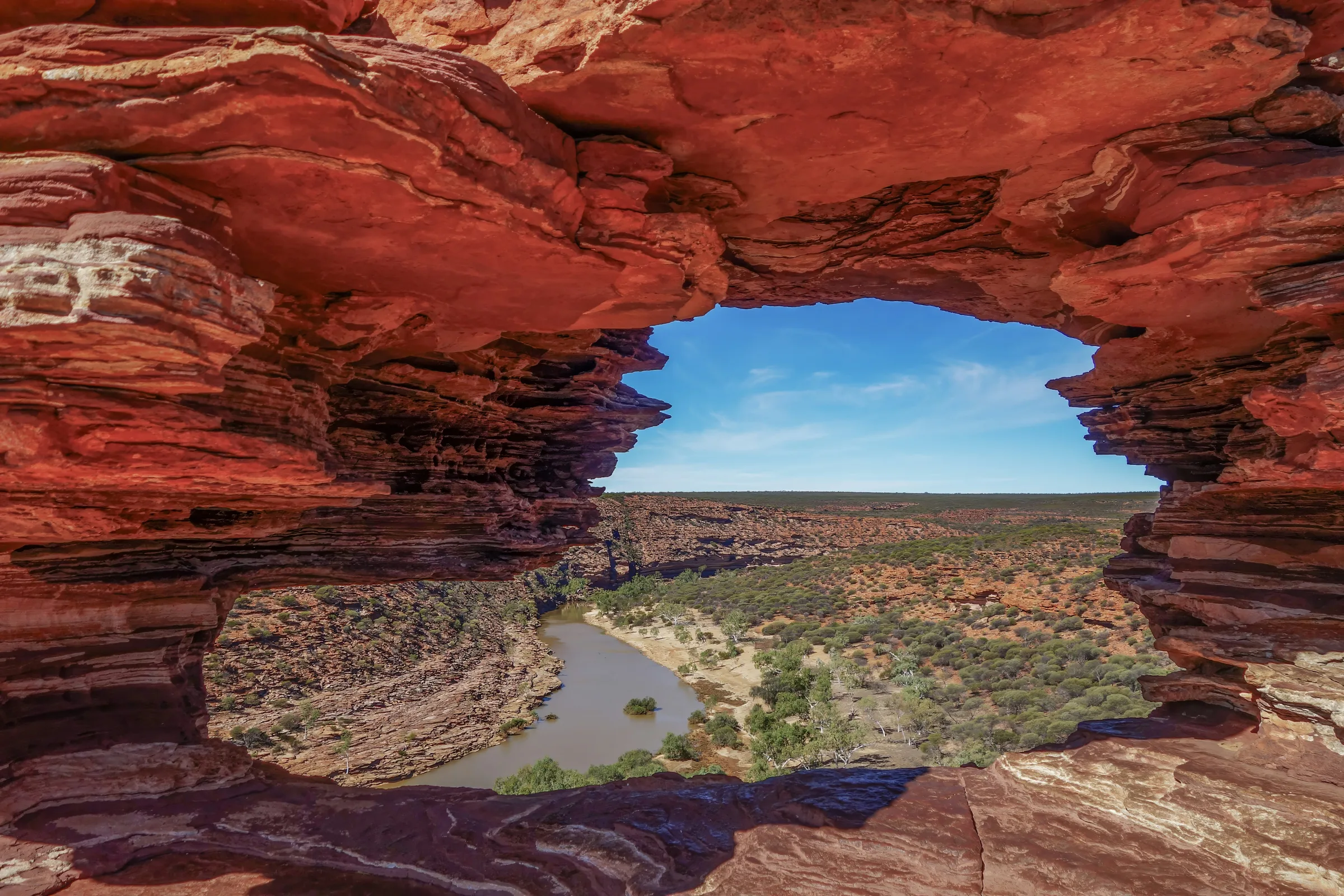
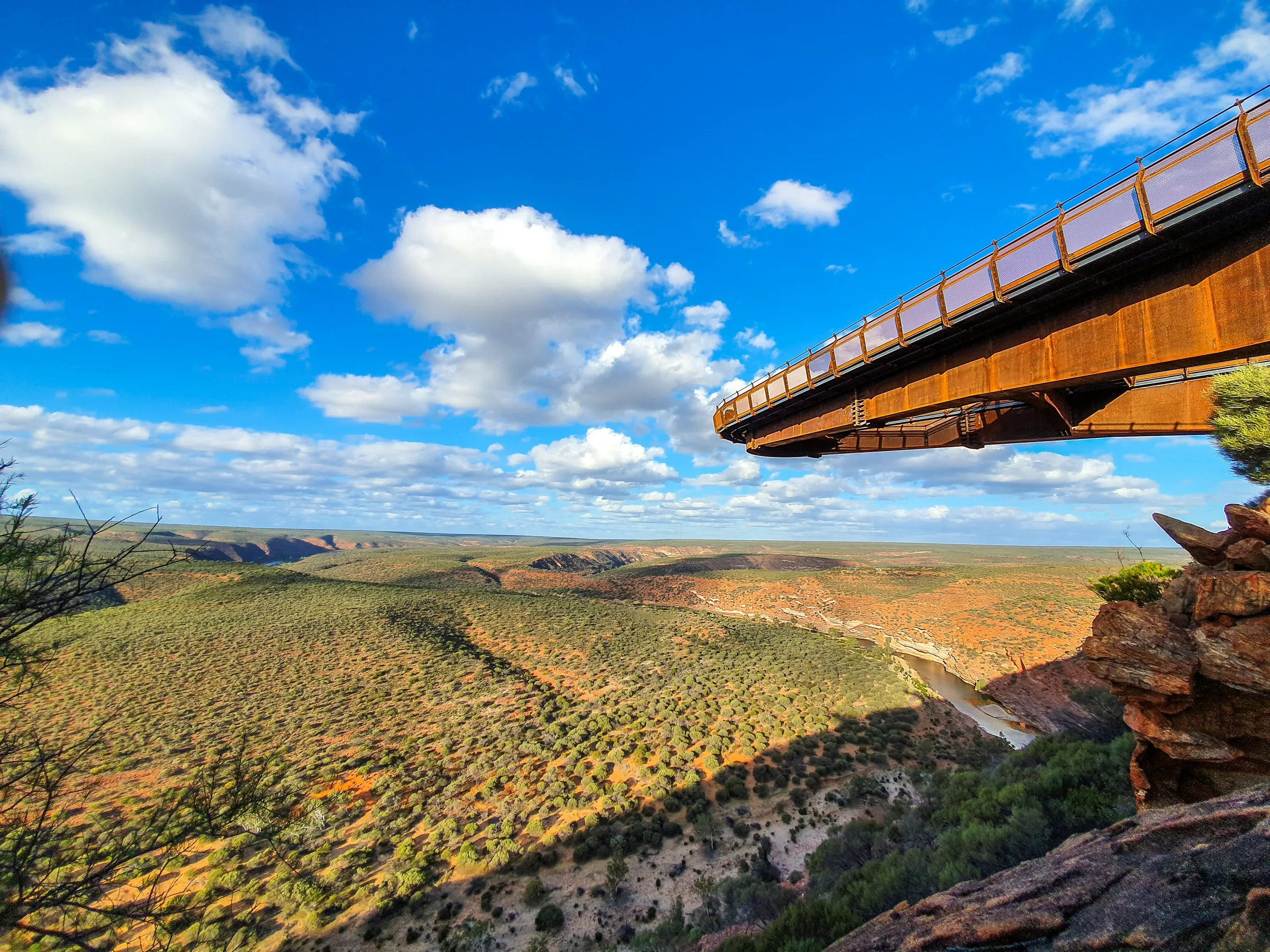
This national park is renowned for its spectacular rock formations and deep gorges carved out by the Murchison River. The most famous spot is without doubt Nature's Window - a natural window in the rock with views over the gorge. The Kalbarri Skywalk, two glass platforms high above the valley, also offers a breathtaking panorama over the rugged landscape. You're best off heading towards the park straight after it opens. This is the coolest time of day and it's still quiet there.
Day 18: Kalbarri → Geraldton
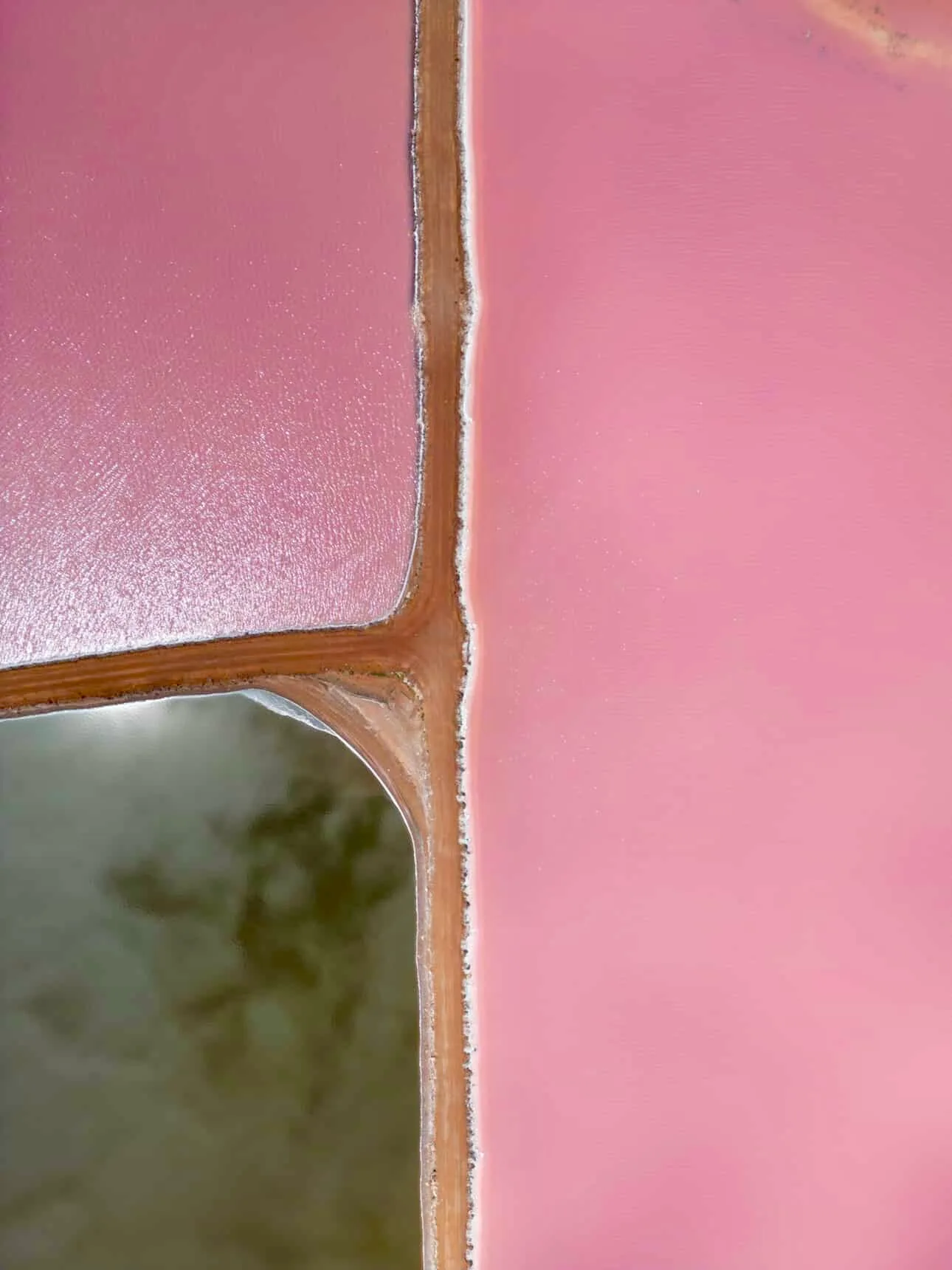
After visiting Kalbarri National Park it was time to drive on to Geraldton. Fortunately this was only a short distance so we had time for a stop along the way. And what a stop. Just 40 minutes' drive from Kalbarri lies Hutt Lagoon Pink Lake, one of the most photogenic spots on the west coast!
The best time to visit the lake is around midday, when the sun is high and the water reflects most strongly. On clear days it almost looks as if the lake is made of neon light. A surreal sight that's perfect for photos.
The view is most beautiful at the small town of Port Gregory, where you can park right next to the shore. Here you can admire the intensely pink colour up close. Another way to see the spectacle is from the air: scenic flights regularly depart from Geraldton or Kalbarri that fly over the lagoon and the coast. An unforgettable experience!
After that we drove on to Geraldton and found a spot to stay overnight. In the evening we had a walk along the beach and grabbed a bite to eat at Skeetas Restaurant Bar & Cafe. The next morning we visited the Museum of Geraldton. This museum also has many Dutch influences, particularly about the Golden Age and the VOC.
Day 19: Geraldton → Pinnacles Desert
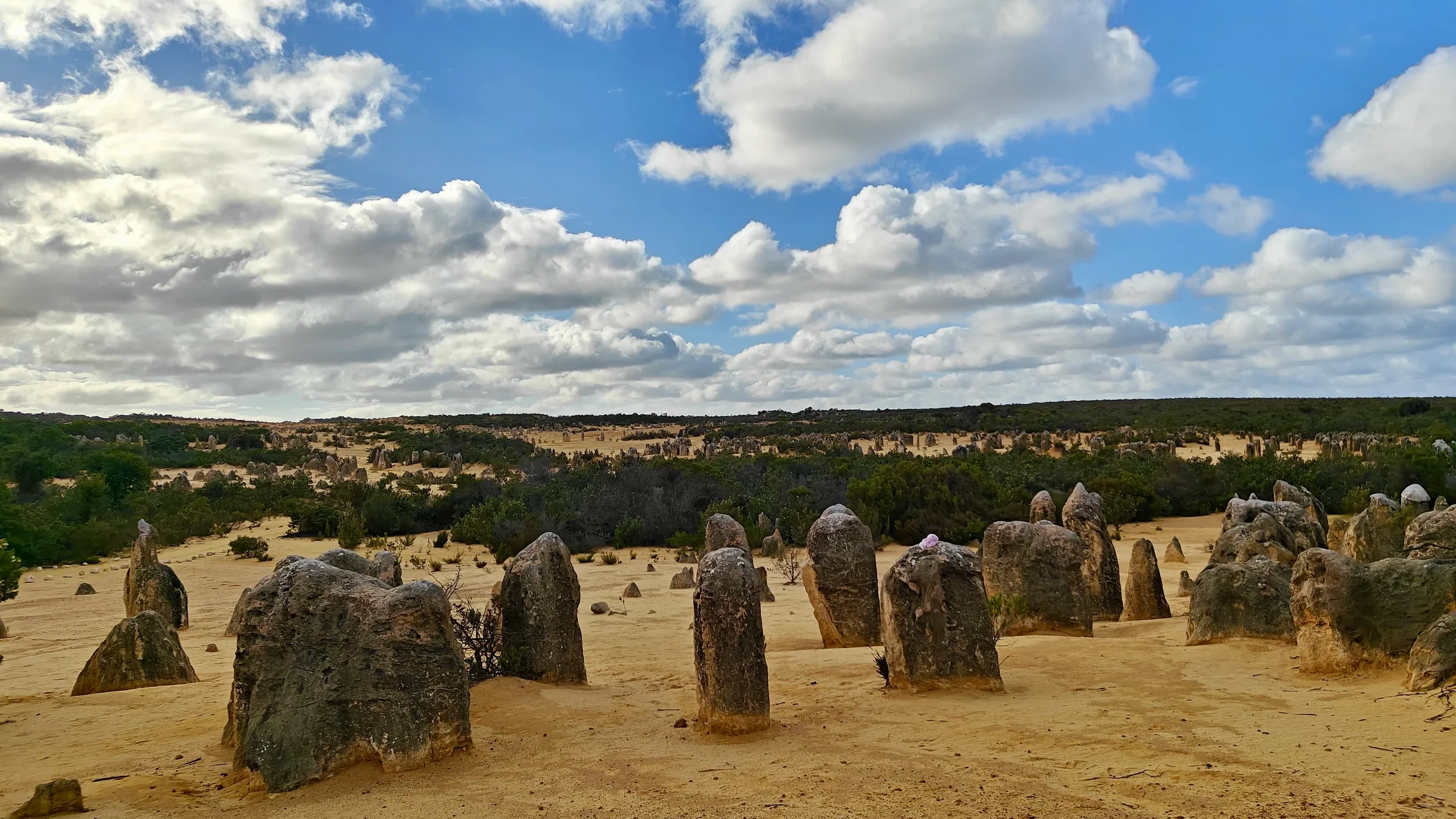
After the museum, we drove on to the Pinnacles Desert. This area consists of thousands of bizarre limestone formations, some only 30 cm high, others up to 4 metres. They were formed from ancient shells that have been shaped by wind and erosion into these 'otherworldly' pillars.
We arrived here towards the end of the afternoon and that was ideal. The colours are incredibly spectacular, especially at sunrise or sunset, when the light sweeps gold and orange across the sand. We were able to enjoy this at sunset and it was more than worth it!
Stop first at the Pinnacles Desert Discovery Centre. This visitor centre is located at the entrance to the park. Here you'll learn how the pinnacles were formed, about the flora and fauna of the area and the cultural significance for the local Aboriginals (the Yued people). You then have two options for exploring the park (best to do both):
- Pinnacles Loop Drive - A 4 km route through the heart of the desert. You can easily drive this in your campervan. Along the route are viewpoints and parking areas where you can stop to take photos or walk amongst the rock formations.
- Pinnacles Walk - A 1.2 km walking trail that takes you on foot through part of the area. This allows you to admire the pinnacles up close and experience the silence of the desert.
After that, we drove a short distance back north to stay overnight at the RAC Cervantes Holiday Park. This drive is only 15 minutes and therefore not far at all.
Day 20: Pinnacles Desert → Lancelin → Perth
From Cervantes, we began our final drive towards Perth. However, there was still one stop along the way where we wanted to spend some time, namely the Lancelin Sand Dunes. These are enormous, rolling sand dunes that almost feel as if you're standing in the middle of a desert. The brilliant white sand contrasts sharply with the blue sky and the ocean in the background, which once again makes it one of the most photogenic spots on the west coast of Australia.
The dunes are free to visit and form a true paradise for adventurers and nature lovers alike.
What can you do at the Lancelin Sand Dunes
- Sandboarding - The most popular activity in Lancelin is sandboarding. Hire a sandboard in town, for example from one of the local surf shops or at the Lancelin Sand Dunes Entrance Point, and race down the towering dunes. It's like snowboarding, but on sand! Easy to learn, great fun and suitable for all ages, which is exactly why we decided to give it a go ourselves.
- 4WD & Quad Biking - The Lancelin Sand Dunes are also a popular playground for 4WDs, quad bikes and dirt bikes. You're free to drive here, provided you have the appropriate permit, experience and a suitable vehicle. The terrain can be steep, soft and unpredictable, so it's important to know what you're doing. Don't have your own 4WD? Guided quad bike and buggy tours are a fantastic alternative, offering plenty of adventure without having to drive yourself.
After an hour of sandboarding, energy levels were pretty low, so we continued on towards Perth. From Lancelin it was only another 1.5 hours, and by late afternoon we were driving into the big city - well, it felt like the big city after all those weeks on the road. Of all the cities in Australia, Perth is my personal favourite because it more or less feels like a large town. No crazy crowds, beautifully situated by the sea, and there's plenty to do. We stayed there for another two nights with our campervan, and we chose to do this in Fremantle at Discovery Parks - Coogee Beach. This campsite is a 10-minute drive from the centre of Fremantle and is right on the beach.
Day 21-22: Fremantle
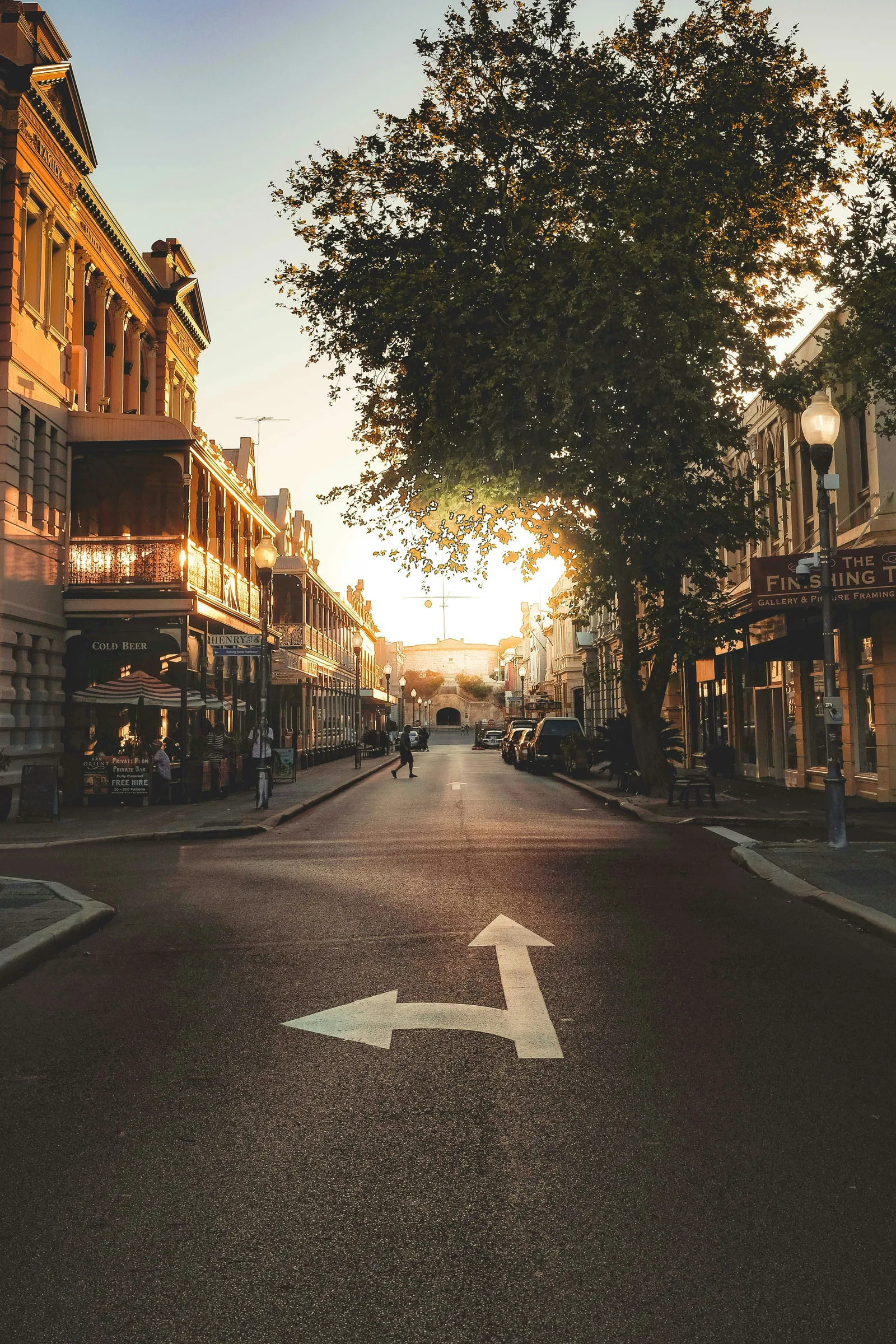
We used our last two days mainly to explore Fremantle. This lively port city is a perfect mix of historic charm and relaxed coastal living. The city breathes character. From the old colonial buildings to the bustling cafés, markets and street musicians that create a cosy, creative vibe.
Fremantle is small enough to explore in one or two days, but rich in atmosphere and attractions. It's therefore a popular first or last stop for travellers beginning or ending their road trip through Western Australia.
- Fremantle Prison - This UNESCO World Heritage site was once a prison built by convicted British colonists in the 19th century. Today you can take fascinating tours, including thrilling torchlight tours in the evening. An absolute must-see for history enthusiasts.
- Cappuccino Strip - Along South Terrace you'll find the famous Cappuccino Strip: a lively street full of cafés, restaurants and bars. Perfect for brunch, dinner or a drink in the evening sun — and the place to people-watch.
- Bathers Beach & Fishing Boat Harbour - Enjoy the sun at Bathers Beach, a small but cosy beach right near the centre. Afterwards, walk towards the Fishing Boat Harbour for fresh fish, an ice cream or a beer at Little Creatures Brewery, one of Fremantle's best-known spots.
- Arts and culture - Fremantle has a vibrant arts scene. Visit the Fremantle Arts Centre, which was once a psychiatric hospital but is now filled with galleries, workshops and live music. The street art in the narrow laneways is also worth discovering.
Eet- en drinkgelegenheden Fremantle
- Little Creatures Brewery
- Moore & Moore Cafe
- Best Wishes Coffee
- Gage Roads Freo Brewery
There are countless cosy cafés and excellent restaurants in Fremantle. Are you looking for something specific? Feel free to get in touch!
Also read
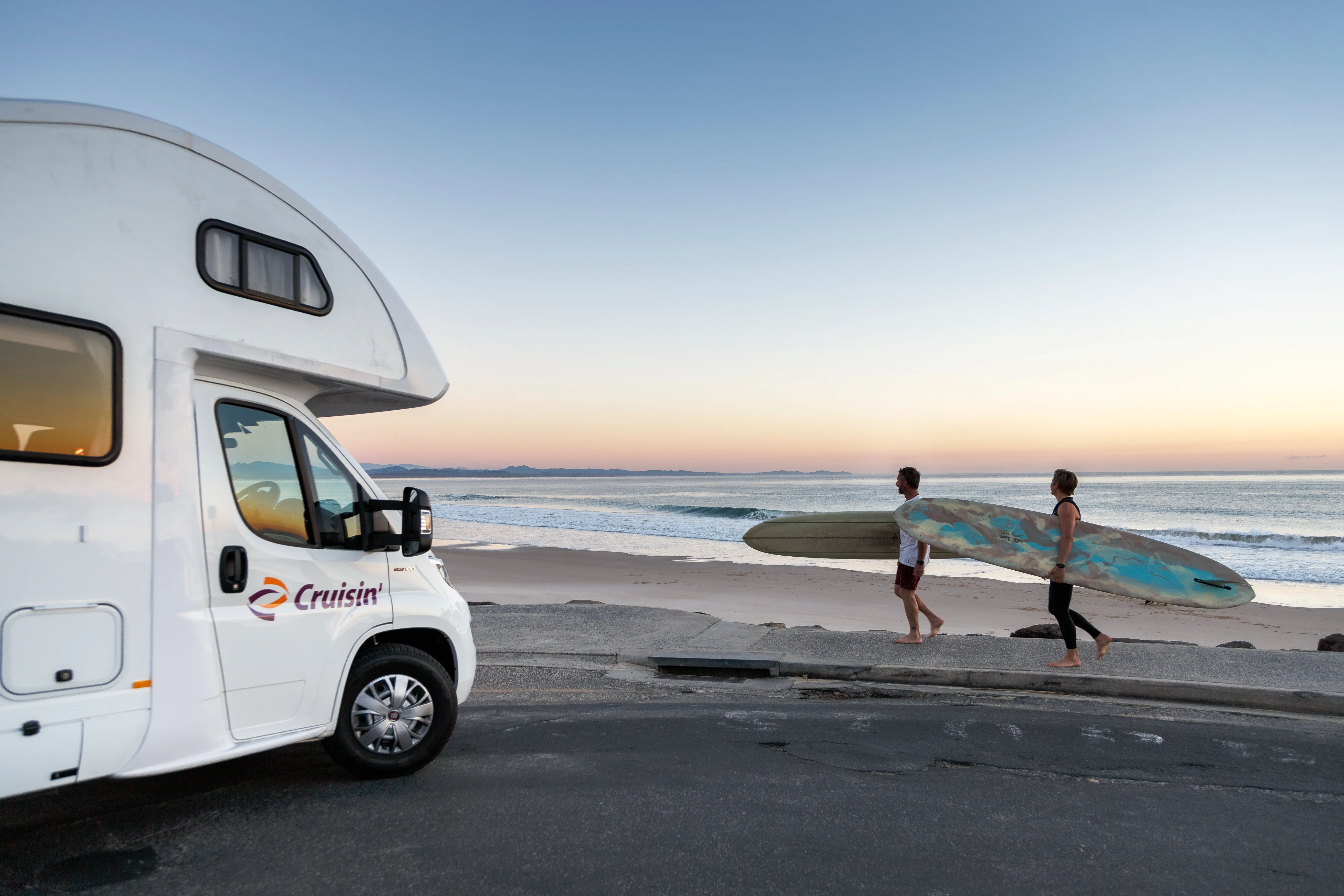
Hire a Campervan in Australia
Travelling around Australia in a Campervan is the freest way to travel and often more affordable than you might think.
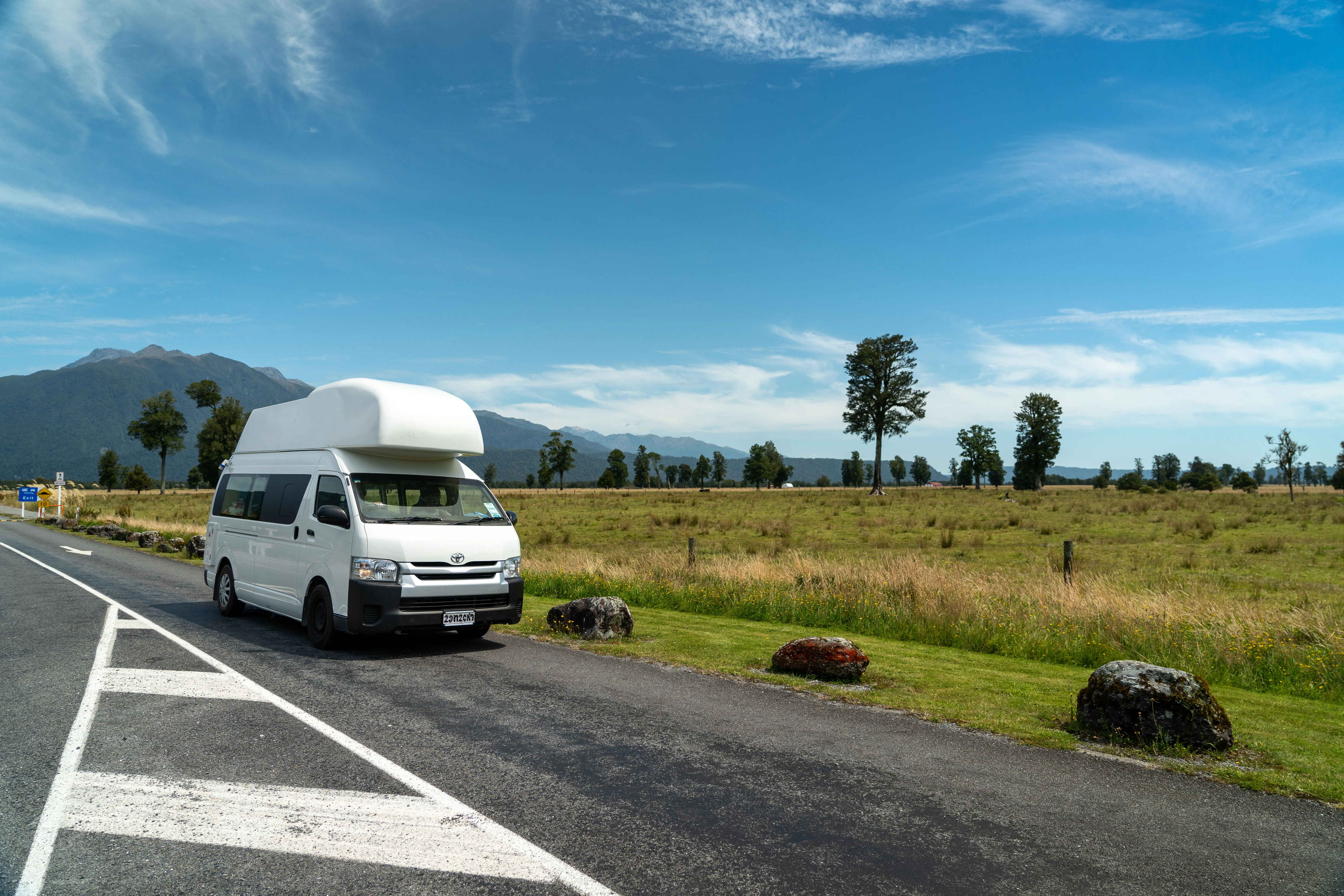
How much does Campervan hire cost in Australia?
Australia is suitable for travel all year round.
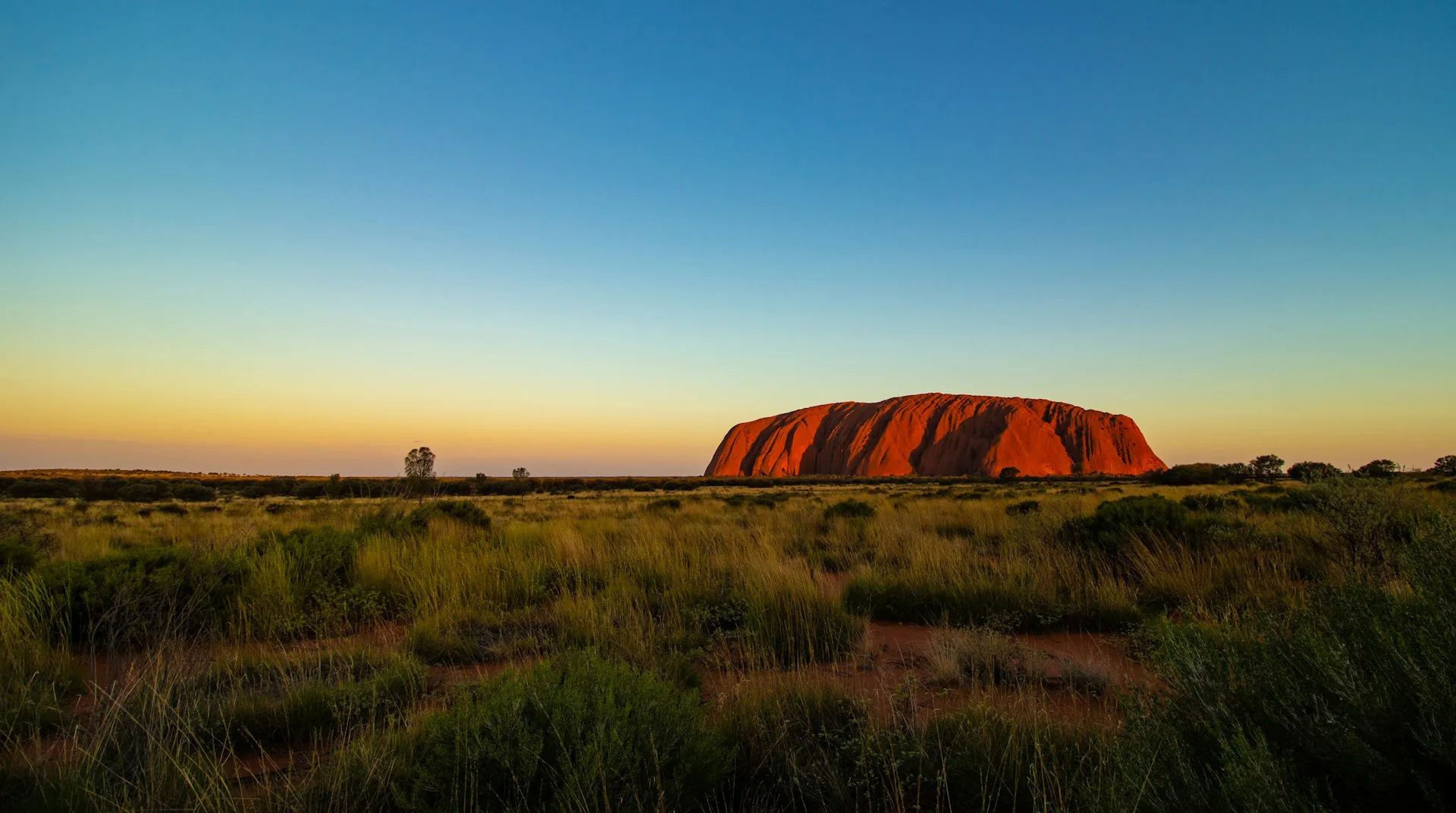
Australia
Road trip through Australia by Campervan: from the east coast to the outback.
Ready for your own road trip?
Request a Campervan deal with no obligation. Response within 24 hours, advice is always free.