
How Much Does It Cost to Travel New Zealand in a Campervan?
For many, a trip to New Zealand is one they've saved for a long time. But how much do you actually need to budget for such a trip? This is a question that concerns many people or is even decisive in whether to go or not.
The short answer: it's not a cheap destination, but if you approach it smartly, it's surprisingly doable, especially when you're travelling as a couple or more.
For this calculation I'm assuming a road trip of approximately 3 weeks through both the North and South Island, travelling in a Campervan with full insurance cover and preparing around 70% of your meals yourself.
Check out 'Tips to save costs during your Campervan trip through New Zealand'
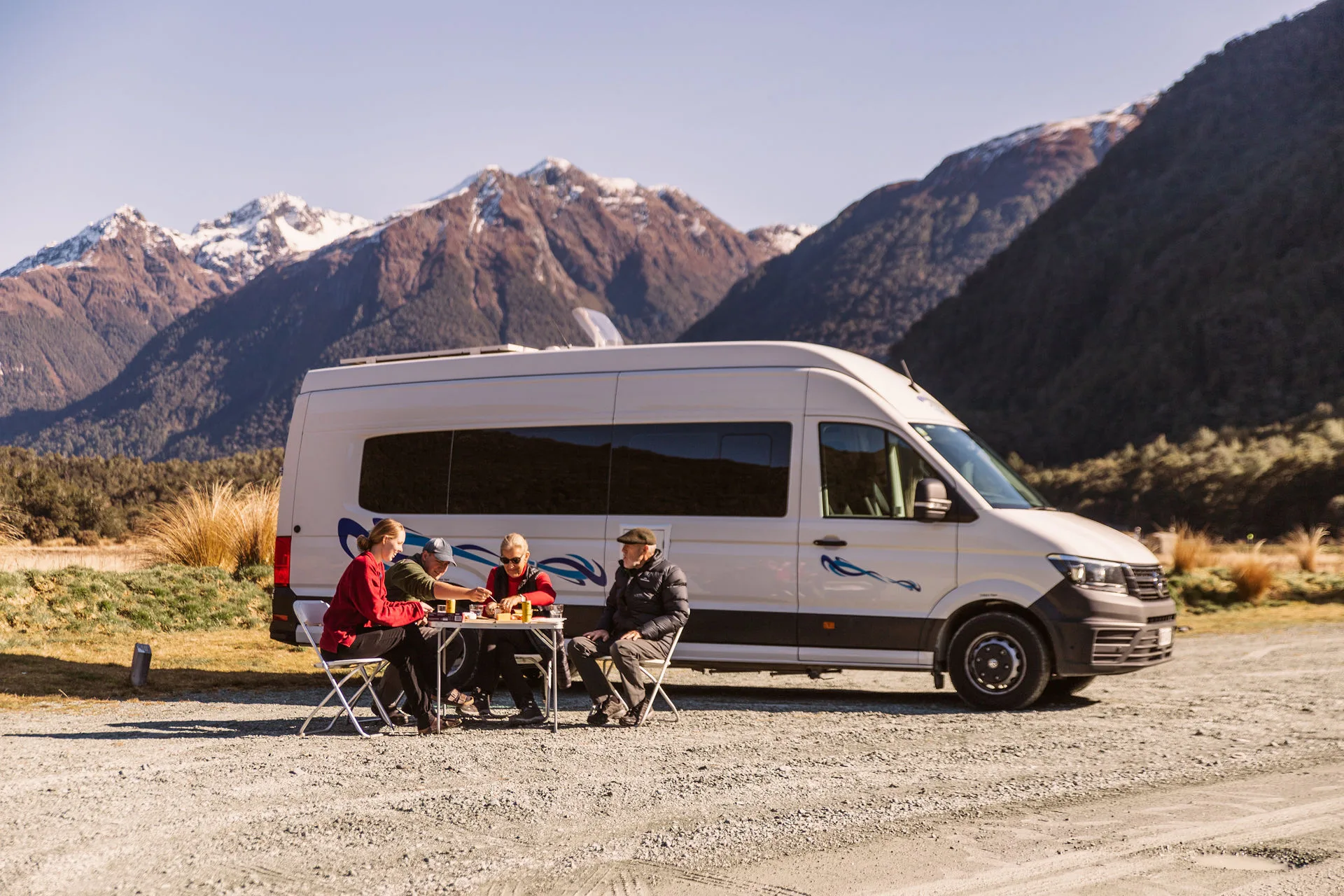
Hire a Campervan in New Zealand
The Campervan is without a doubt the biggest expense of your trip, but at the same time also the most valuable. After all, you're not just paying for transport, but also for your accommodation and the freedom you get in return. The price of a Campervan also depends on multiple factors. Think about the period you're travelling, which type of Campervan you choose and which hire company.
When you're looking at hiring a Campervan in New Zealand, it's smart to opt directly for a comprehensive insurance package. These can be purchased through the Campervan hire company and prevent unexpected costs during your trip.
Check out 'How much does Campervan hire cost in New Zealand'
Want to know exactly what a Campervan costs for your trip? Fill in the Campervan form or send a message. We compare all hire companies for you and make sure you get the best deal including discount. You save time and money. We do the work.
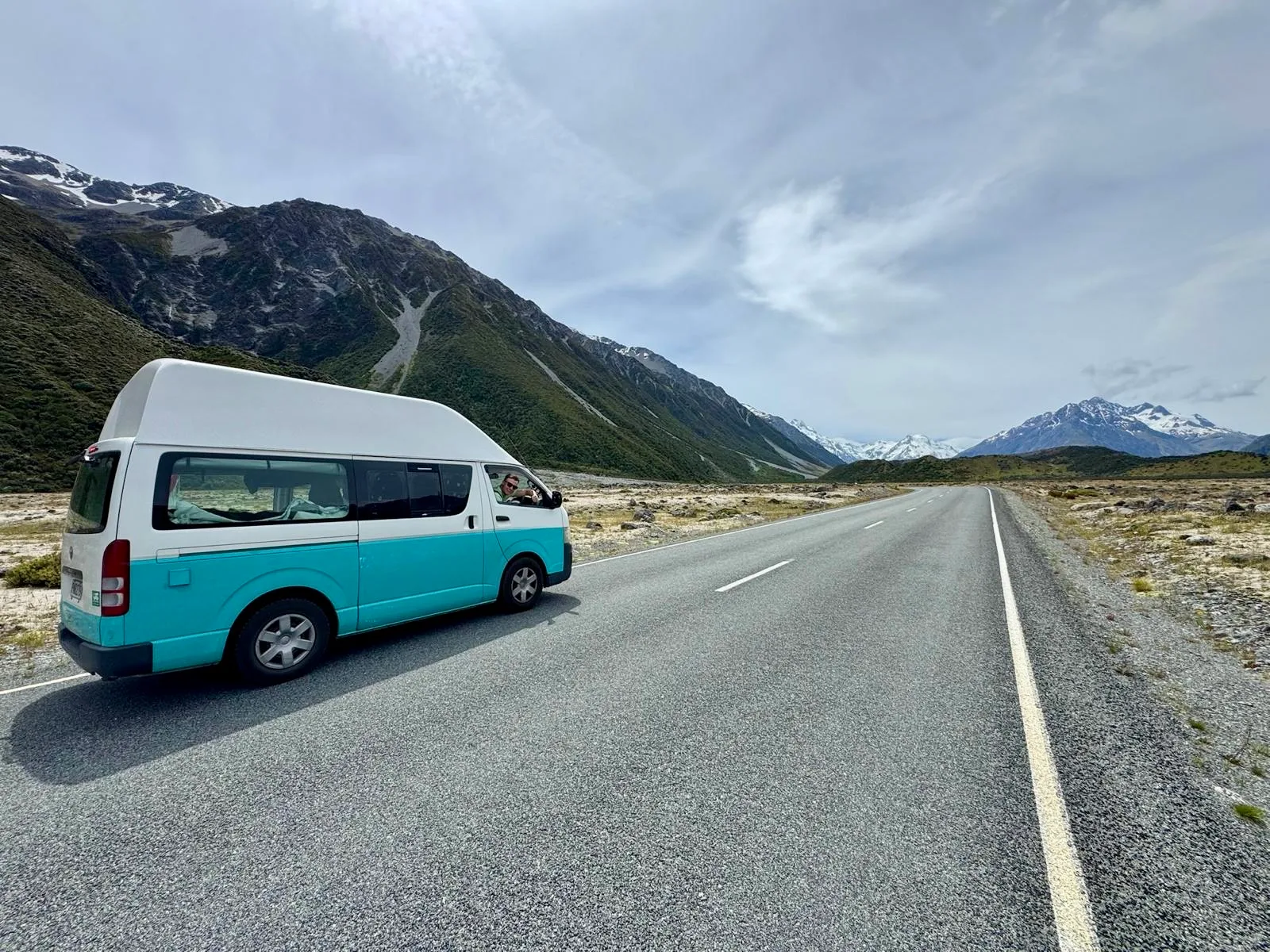
Fuel costs during your road trip through New Zealand
During a road trip through New Zealand, you'll quickly cover quite a few kilometres, especially if you want to explore both the North and South Islands. Fortunately, the distances are very manageable and driving here is actually a big part of the experience.
The exact costs depend mainly on two factors:
- The route you drive
- The type of Campervan (and therefore the fuel consumption)
Example of a popular route
A popular route for a 3-week road trip through New Zealand looks roughly like this:
- Christchurch
- Queenstown
- West Coast
- Picton
- Lake Taupo
- Rotorua
- Auckland
Along the way you'll naturally make several stops, but this gives you a good picture of the main route.
What does this mean in kilometres and costs?
The route above comes to approximately 2200 kilometres, but in practice this is often higher due to extra stops and detours. Therefore it's more realistic to allow for around 3000 kilometres.
If you're driving a Campervan that averages 1 in 10 and you assume a petrol price of approximately NZD $2.75 per litre, you'll end up with:
Good to know
- Larger motorhomes use more fuel
- Shorter routes or less driving will reduce your costs
- Fuel prices can vary by region. Use the Gaspy or PetrolSpy apps to find the cheapest petrol stations
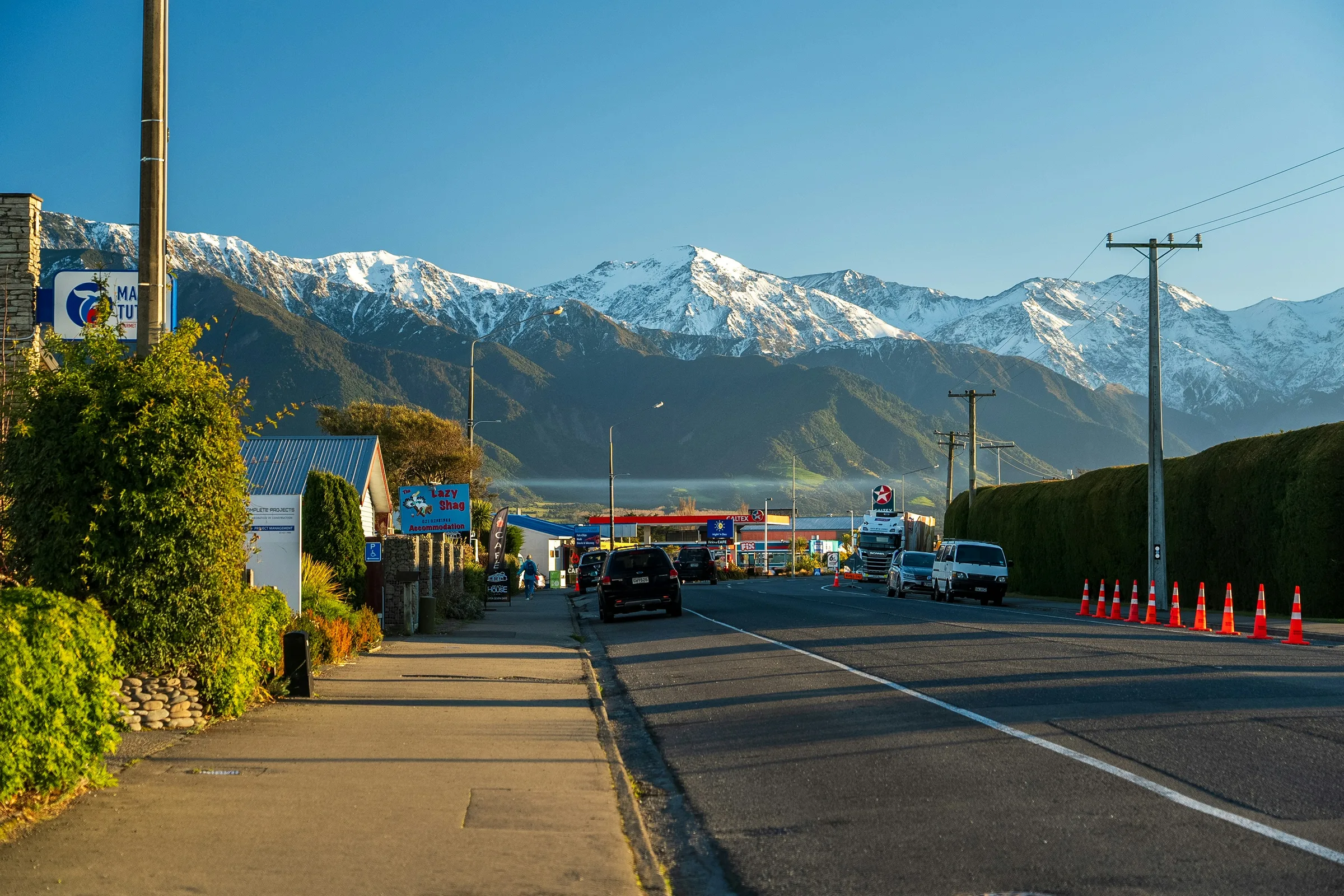
Campsites in New Zealand
A major advantage of travelling by Campervan in New Zealand is the flexibility in overnight stays. You have the choice of luxury campsites with extensive facilities, free spots in the middle of nature and everything in between.
New Zealand has an extensive network of campsites and overnight spots, meaning there's always an option to suit your travel style and budget.
Broadly speaking, you can choose from the following options:
Free Camping New Zealand
Free camping in New Zealand is possible at specially designated spots, also known as freedom camping spots. These locations are often managed by local councils or the Department of Conservation (DOC).
During my own road trips, I've regularly made use of these spots, and for me this is the ultimate way to travel with a Campervan. Think of overnighting between snow-capped mountains, beside crystal-clear rivers or in the middle of nature, far away from the crowds.
A few important rules for free camping:
- Almost all sites require a self-contained camper (with toilet and water tank, among other things)
- Wild camping is not permitted, you may only stay overnight at designated locations
- You always take your own rubbish with you
- Local rules can differ per location, always check the information boards
Note: from December 2024, the rules around freedom camping have been tightened. Always check the current regulations before you set off.
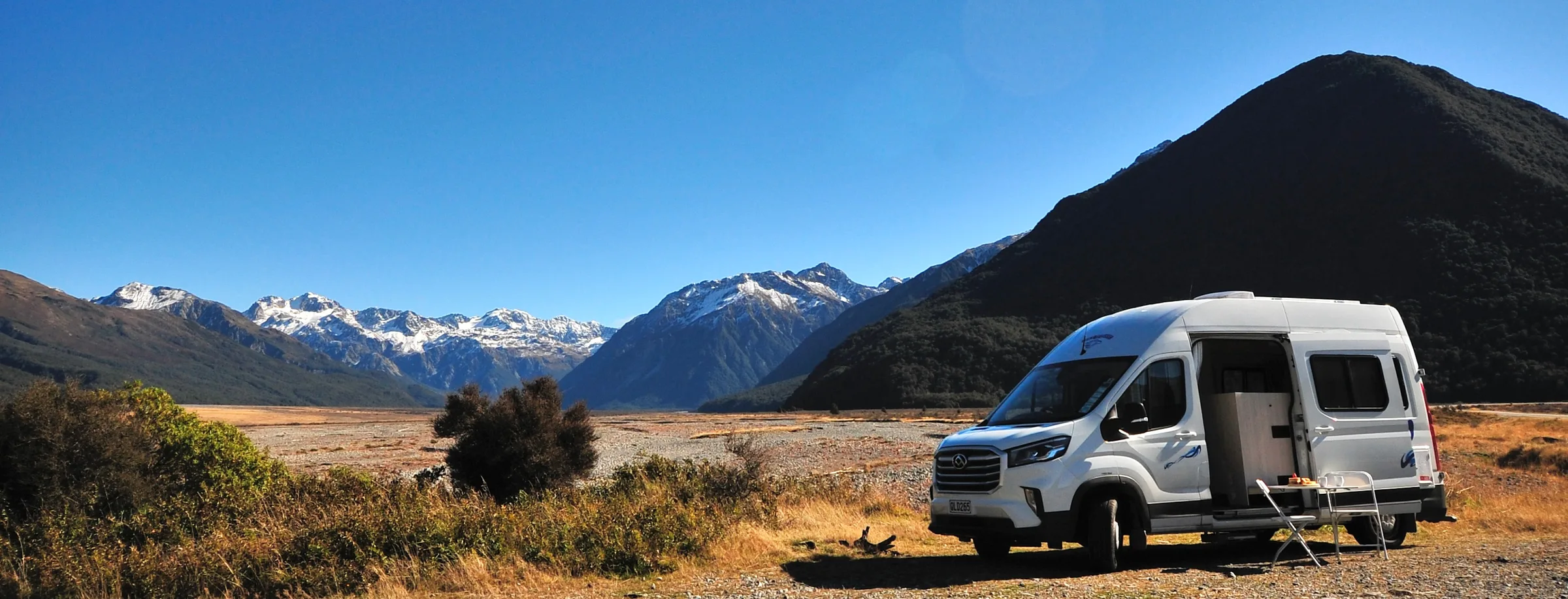
DOC Campsites New Zealand (paid)
Alongside free camping spots, the Department of Conservation (DOC) also manages a large number of paid campsites in New Zealand. These campsites are often located in unique spots within national parks and nature reserves and are generally very affordable.
DOC campsites are ideal if you want a few more facilities but still want to stay right in the middle of nature.
You can divide them into three categories:
Basic/Backcountry campsites
These are the most basic campsites, often without many facilities. Usually there's only a composting toilet available and no drinking water.
Standard/Scenic campsites
These campsites offer a bit more comfort, such as picnic tables, a BBQ and sometimes a cold shower.
Serviced campsites
The most comprehensive DOC campsites with facilities such as hot showers, standard toilets and drinking water.
Holiday Parks New Zealand
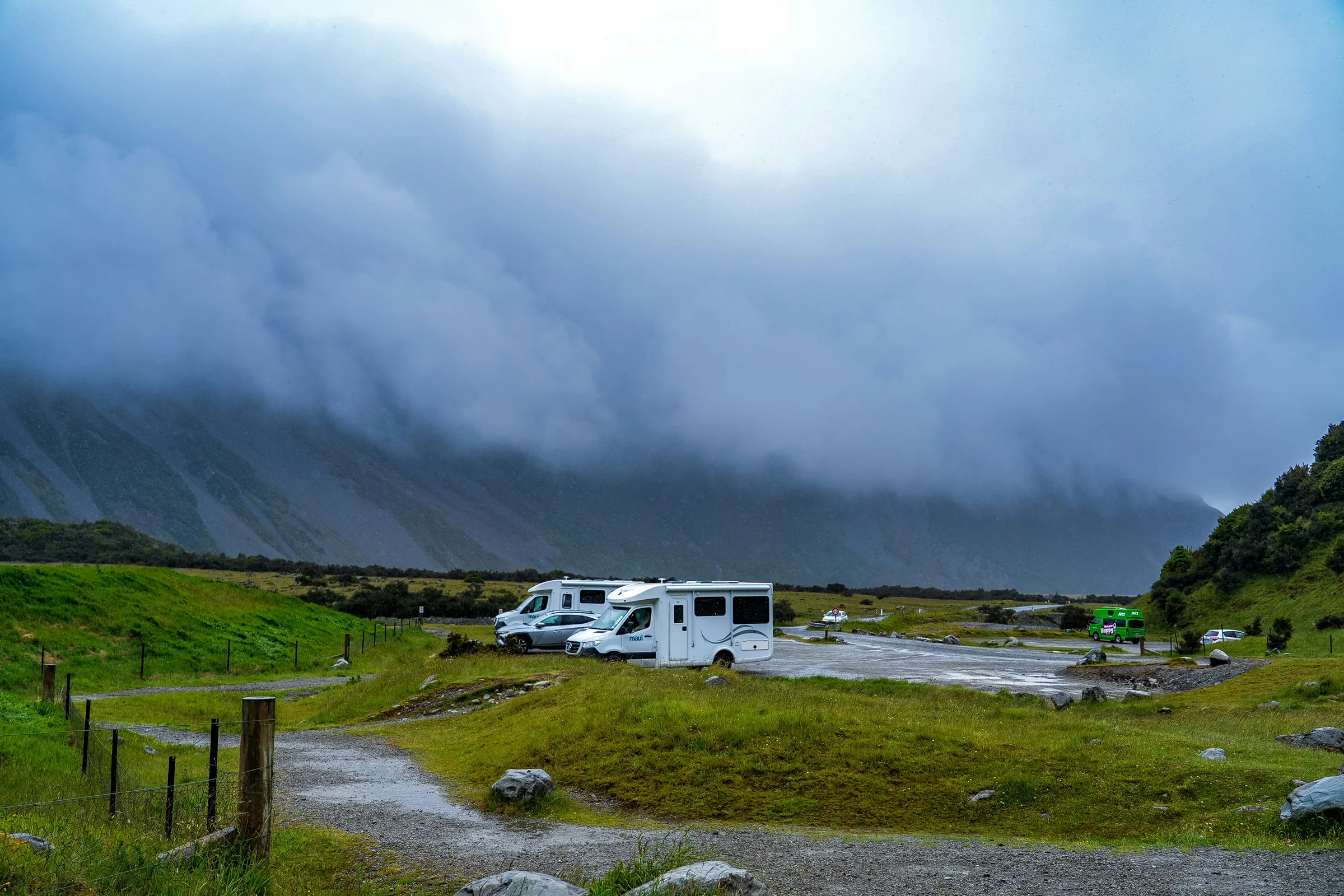
Travelling by Campervan through New Zealand and want a bit more comfort and convenience? Then the Holiday Parks are the perfect choice. These campsites are comparable to holiday parks and are often located in central locations, close to cities and popular attractions.
In New Zealand, you'll find several large chains, such as TOP 10 Holiday Parks and Kiwi Holiday Parks. These franchise campsites are known for their consistent quality and good facilities. Once you've had a pleasant experience at one location, you can be fairly certain that other locations in the same chain will offer a comparable standard.
Do you immediately think of crowded and busy when it comes to this type of campsite? In practice, it's often not that bad. Holiday Parks come in various sizes and especially outside the local school holidays, they're often surprisingly quiet.
Alongside the larger chains, there are also many small-scale, privately run campgrounds scattered throughout the country. These often have a more personal atmosphere and each park has its own character. It's precisely this variety that makes it fun to try different places during your trip.
A major advantage of Holiday Parks in New Zealand are the so-called camp kitchens. These are fully equipped kitchens with hobs, pots and utensils, where you can easily prepare your own meals. Travelling with a smaller Campervan? Then this is ideal: you keep your Campervan tidy and have all the space to cook extensively.
Farmstays New Zealand
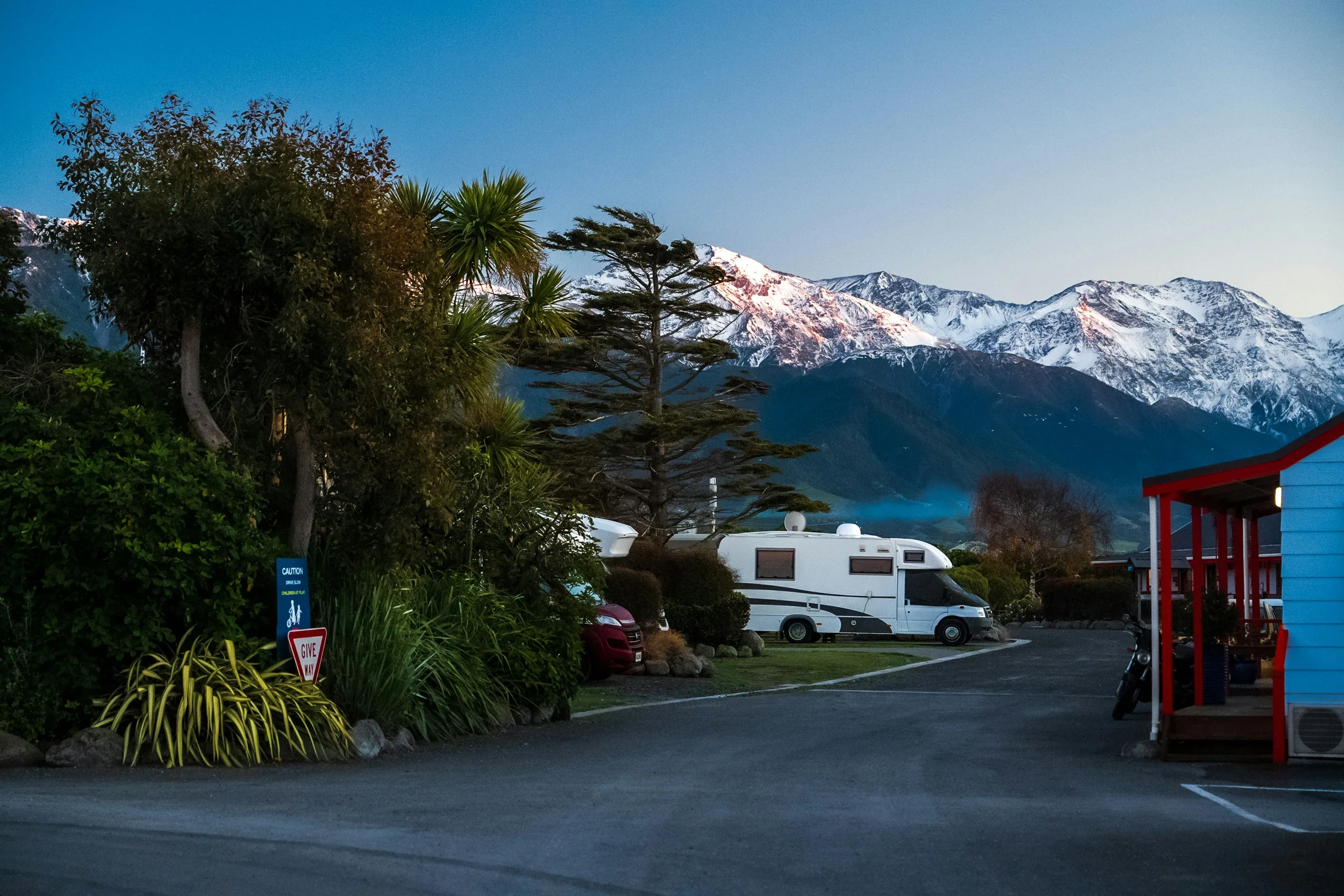
The final category, and personally my favourite, are the farmstays in New Zealand. These are small-scale farm campsites run by local farmers, often as a nice side income alongside their daily work on the farm.
You'll find farmstays throughout the country, in all shapes and sizes and in the most remarkable locations. From green valleys to remote spots in the middle of nature. What makes these campsites unique is the experience: it's not unusual to wake up with an alpaca, sheep or cow next to your Campervan.
Farmstays are also often very affordable. The facilities are usually simple but well maintained. Don't expect luxury swimming pools or extensive camp kitchens, but rather a peaceful, authentic atmosphere and a personal touch that you often miss at larger campsites.
That's exactly what makes a farmstay so special. You get closer to the real New Zealand and experience the country in a way that many travellers miss.
Curious where to find these spots? Download the Campermate app, Wikicamps NZ or Rankers Camping. Through these apps you can filter every campsite in New Zealand and see which facilities these campsites have. You'll find both free and paid campsites on these apps.
Food & drink during your trip through New Zealand
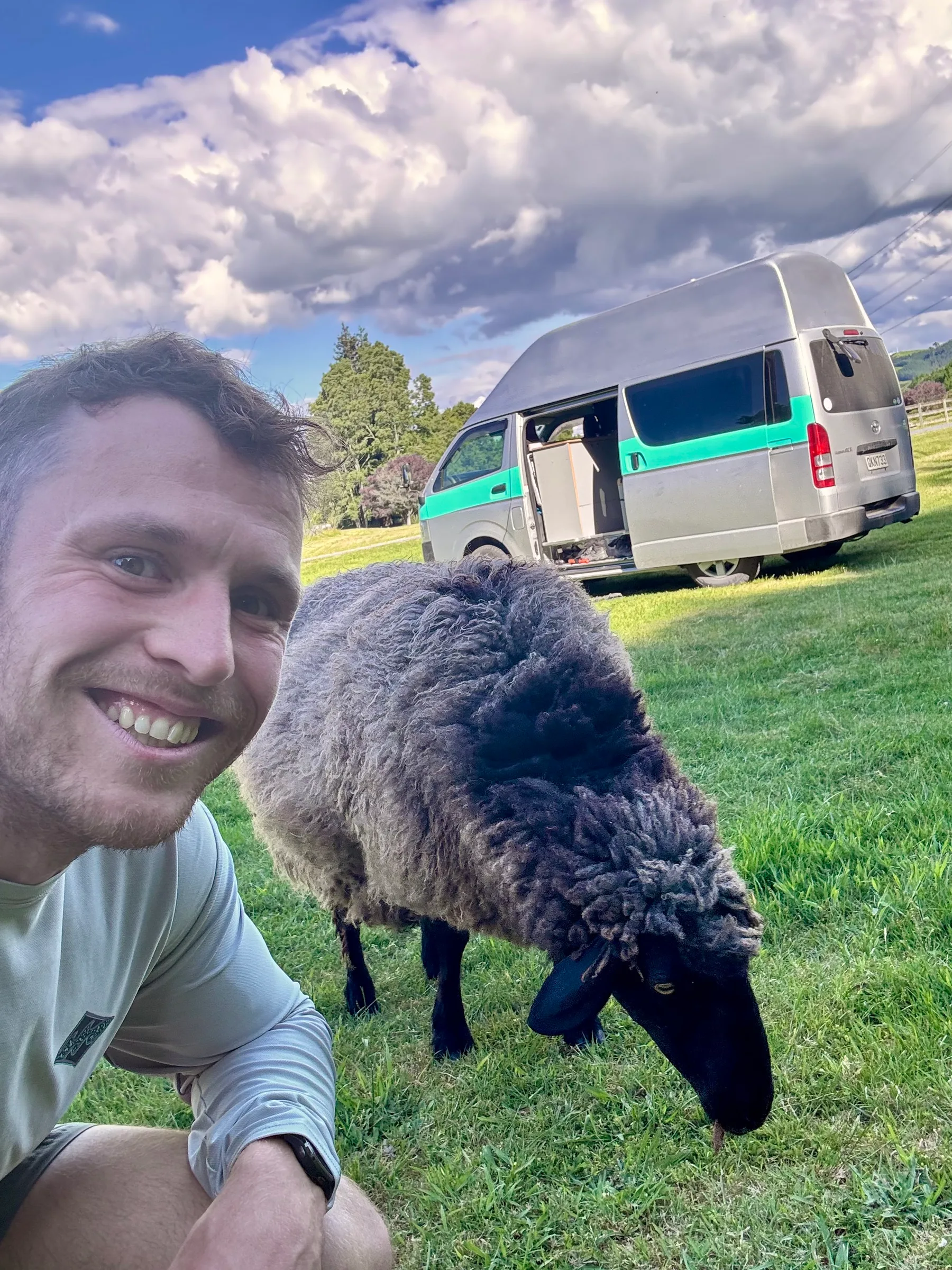
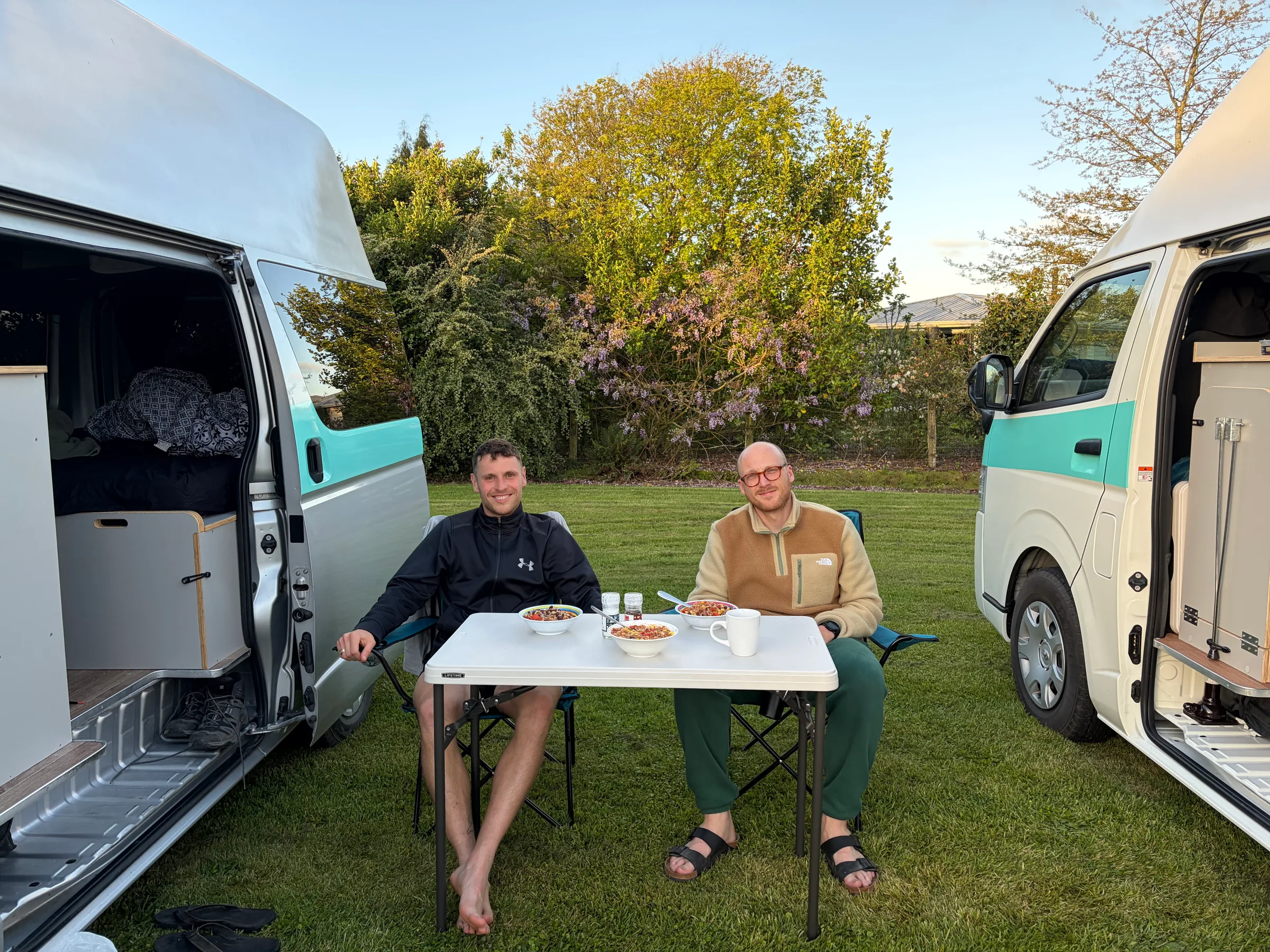
One of the biggest advantages of travelling with a Campervan in New Zealand is that you can cook for yourself. This allows you to save a lot of money, especially compared to travelling with a hire car where you're often dependent on restaurants or takeaway meals.
That doesn't mean you won't eat out, of course. In fact, New Zealand is full of lovely cafés, bakeries and restaurants where you'll absolutely want to stop during your road trip. It's precisely that variety that makes it extra enjoyable.
Costs of food & drinks in New Zealand
Are you heading to New Zealand and curious about the food? You've come to the right place. New Zealand cuisine might be less well-known than that of other countries, but make no mistake: you can eat incredibly well here, especially if you know where to go.
During a road trip through New Zealand in a Campervan, you'll notice that food becomes an important part of your daily rhythm. From cooking yourself to good coffee spots and local specialities.
The cost of food and drink depends heavily on your travel style. Do you cook a lot yourself or do you eat out often? When you travel with a Campervan, you automatically eat differently. And that's actually a big advantage.
What you can expect:
- Supermarkets such as Pak'nSave, Countdown and New World
- Many campsites with cooking facilities
- Ability to cook for yourself
- Occasional dining out in charming villages
To give you a realistic picture, I've looked at my own road trips through New Zealand. During these trips we prepared most of our meals ourselves and occasionally ate out or got takeaways. We also regularly grabbed a takeaway coffee or got something nice from a bakery. Small expenses that might seem innocent, but can add up without you noticing.
Activities in New Zealand
First and foremost, it's important to mention that the best activities in New Zealand are completely free. Think of beautiful hikes in the mountains, beach walks where you spot dolphins or charming villages you stroll through. The most unique experiences I had myself were completely free of charge, so it's entirely up to you how much you spend on this.
New Zealand is of course also known for its unique activities and excursions. This is often the category where you determine yourself how expensive your trip ultimately becomes.
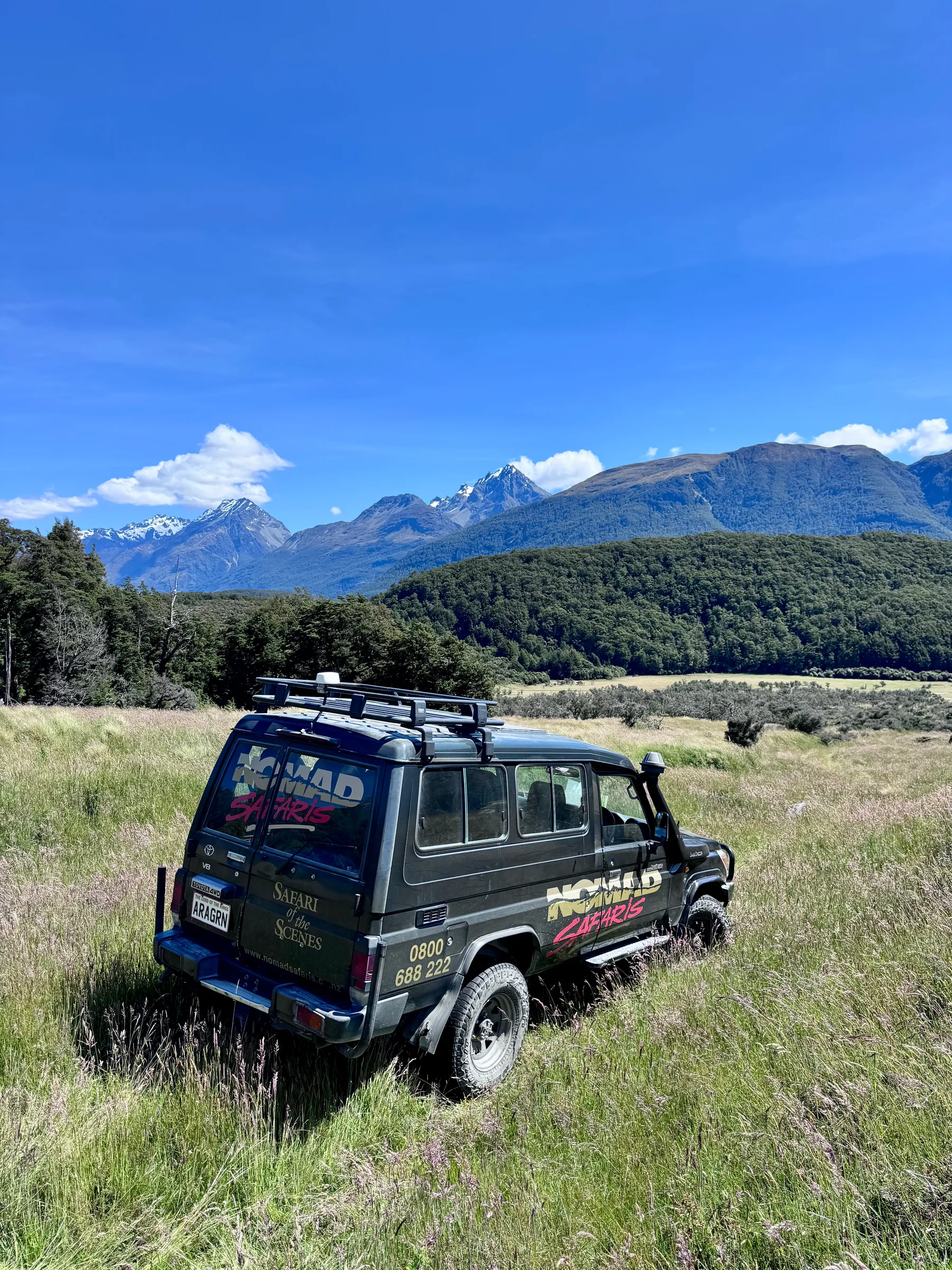
Think for example of:
- Milford Sound cruise
- Hobbiton Movie Set
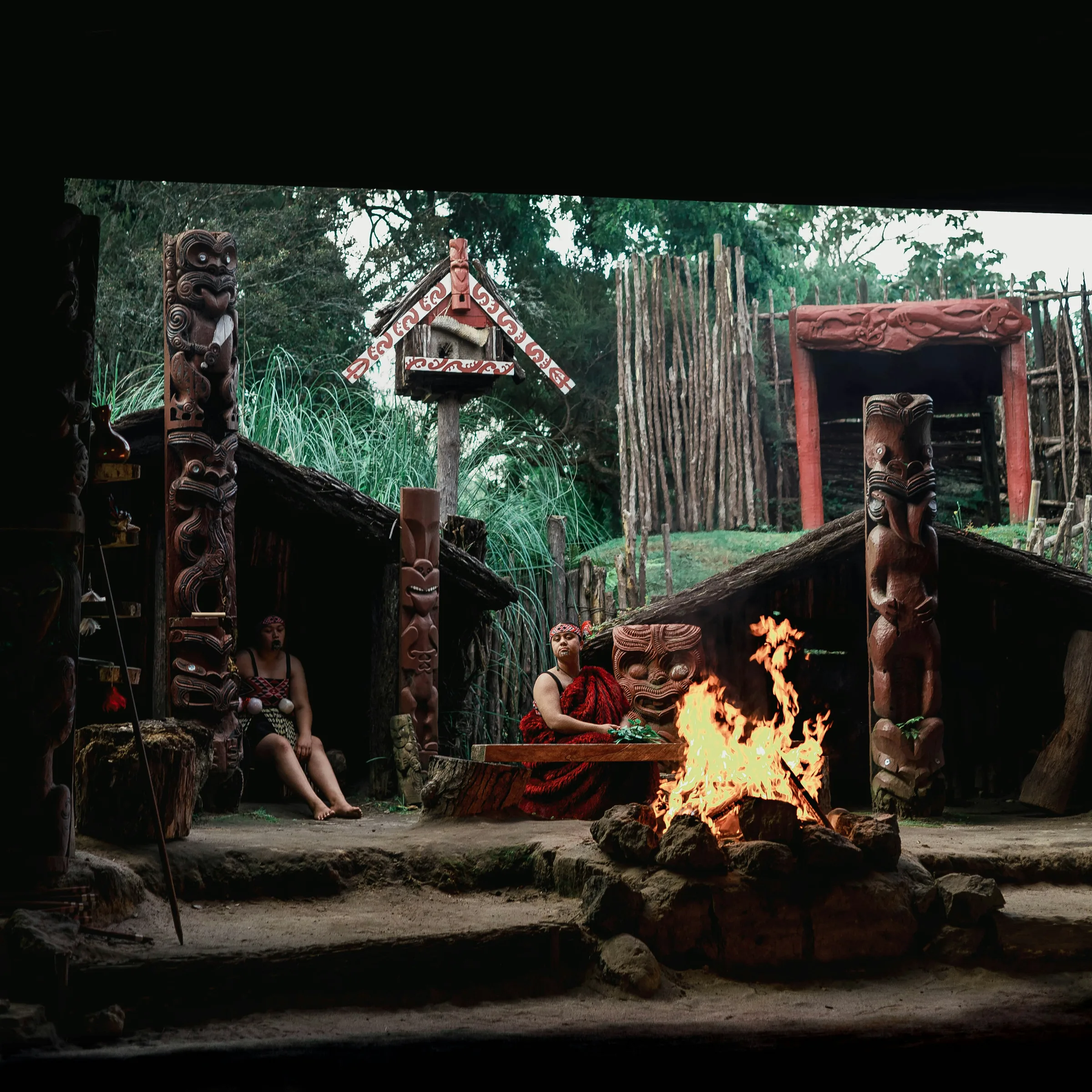
- Māori culture in Rotorua
- Glowworm Caves in Waitomo
- Various hikes and tours
The cost of activities in New Zealand can vary considerably, depending on how you want to experience them. Many highlights can be enjoyed in different ways. For example, you can walk to a viewpoint via a beautiful hike, but also choose a helicopter flight or an organised tour for a completely different experience.
When it comes to tours and excursions, you often have a choice: do you go for a budget option with larger groups, or do you choose a small-scale and personal experience? These choices have a significant impact on your total expenses.
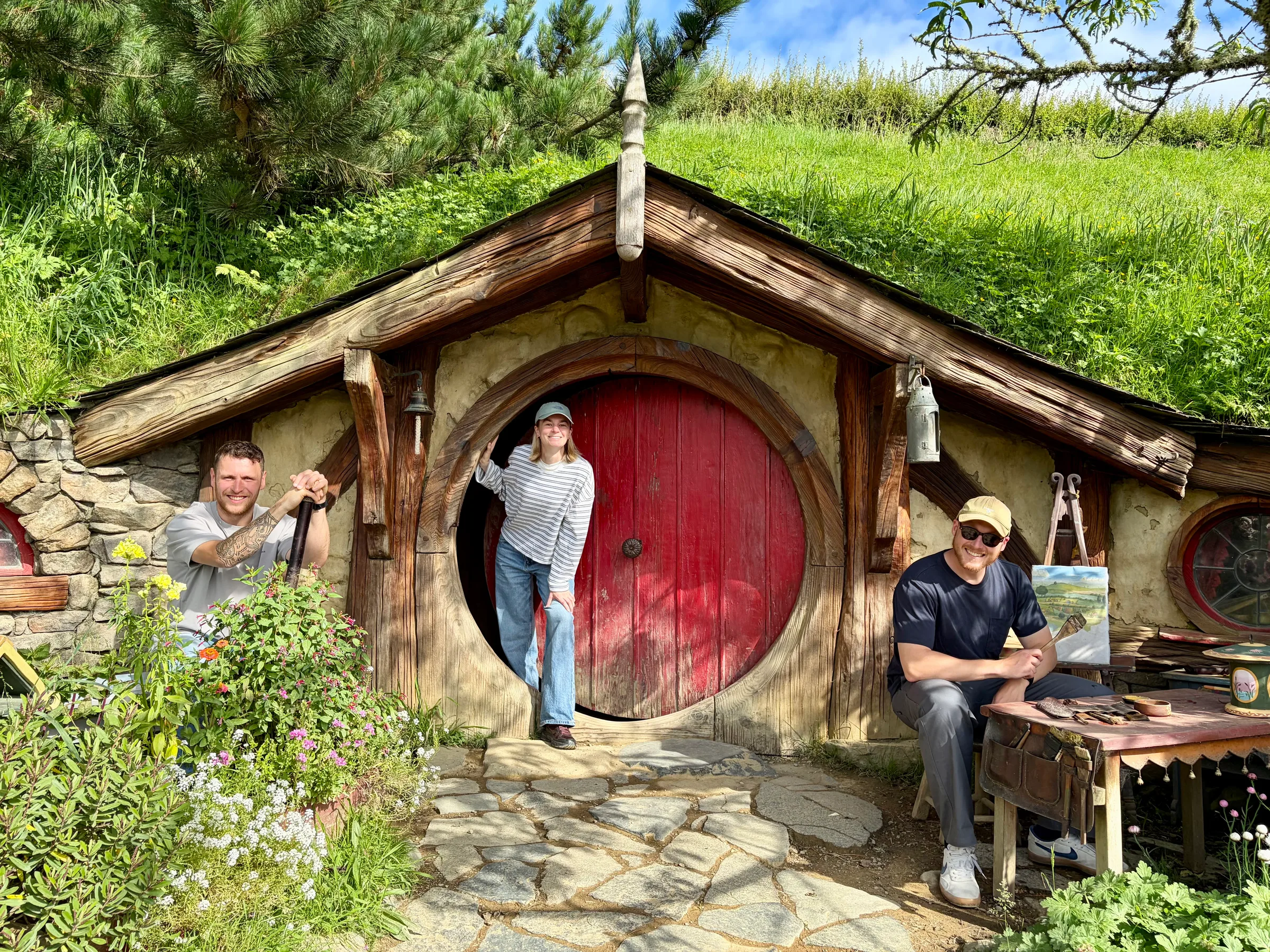
If you don't always go for the most expensive options, but not for the cheapest either, you'll usually end up with a nice middle ground in terms of costs. Expect to pay around NZD $350 for a day trip to Milford Sound from Queenstown. If you drive there yourself, the cruise itself will cost you NZD $100. Are you a Lord of the Rings fan and want to visit Hobbiton? This will cost you between NZD $130 - $240, depending on which tour you choose.
Check out 'Roadtrip New-Zealand: complete route for 4 weeks'
Also read
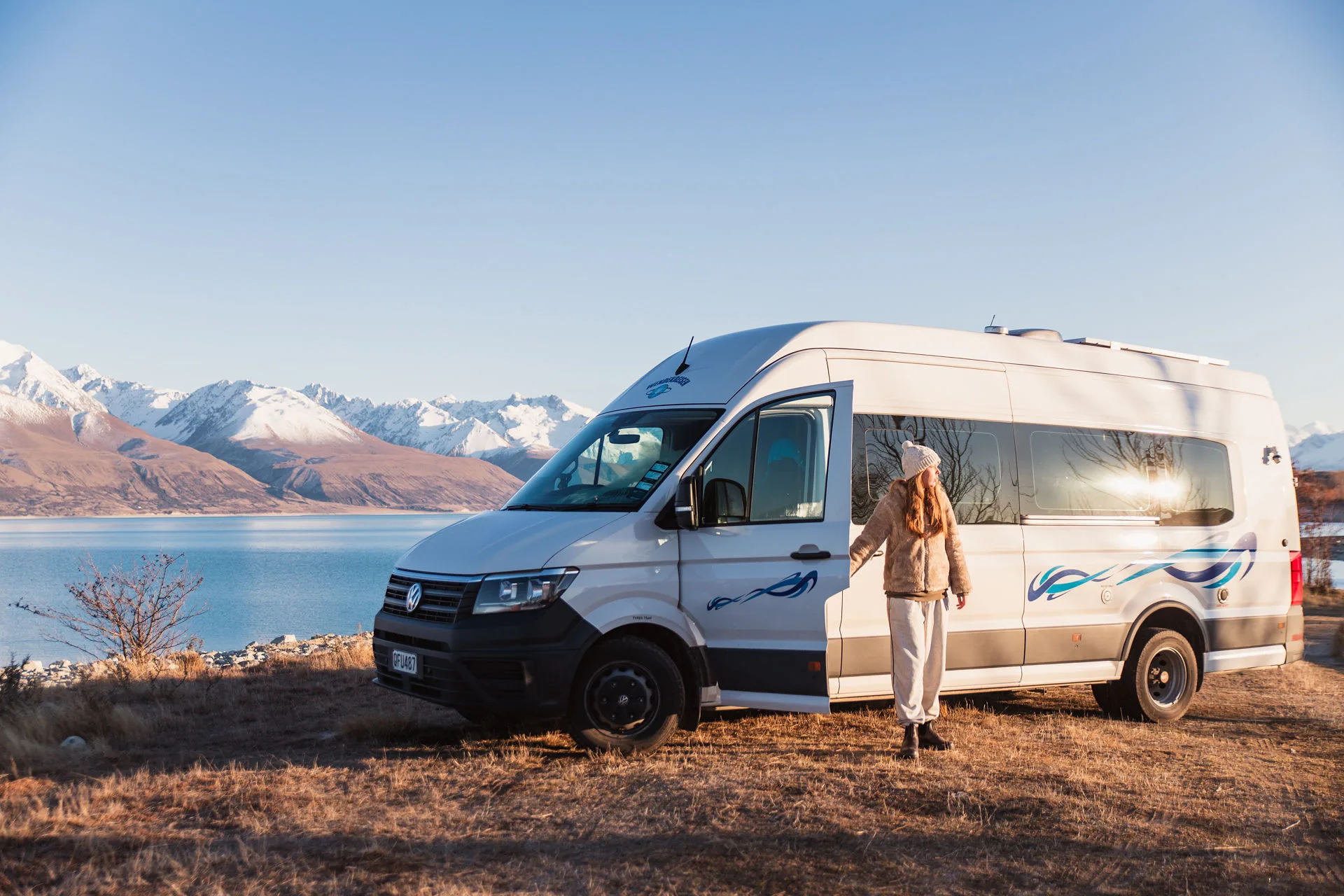
Hire a Campervan in New Zealand
Want to hire a Campervan in New Zealand?
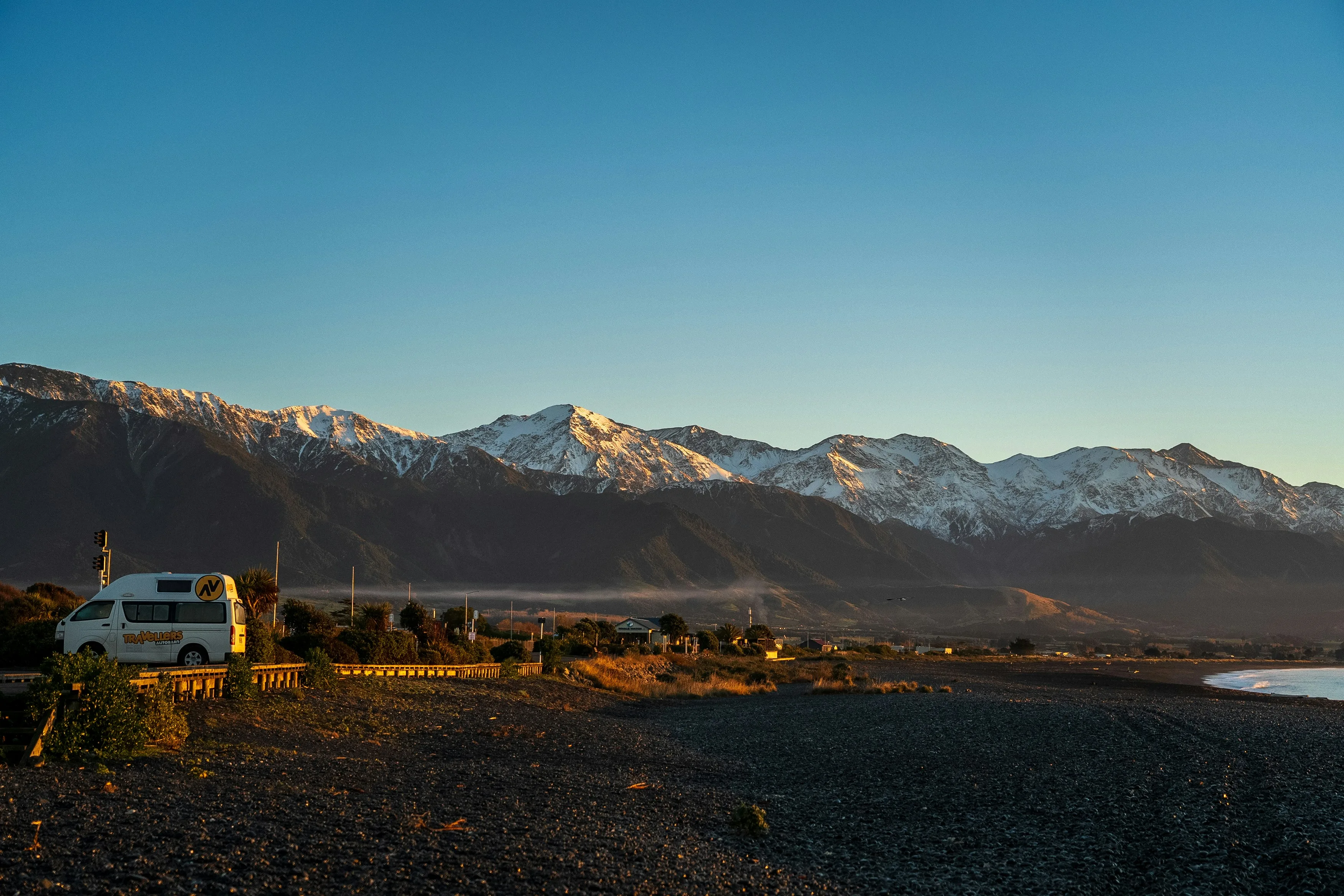
How much does Campervan hire cost in New Zealand?
The cost of a Campervan in New Zealand varies greatly by season and type of Campervan.
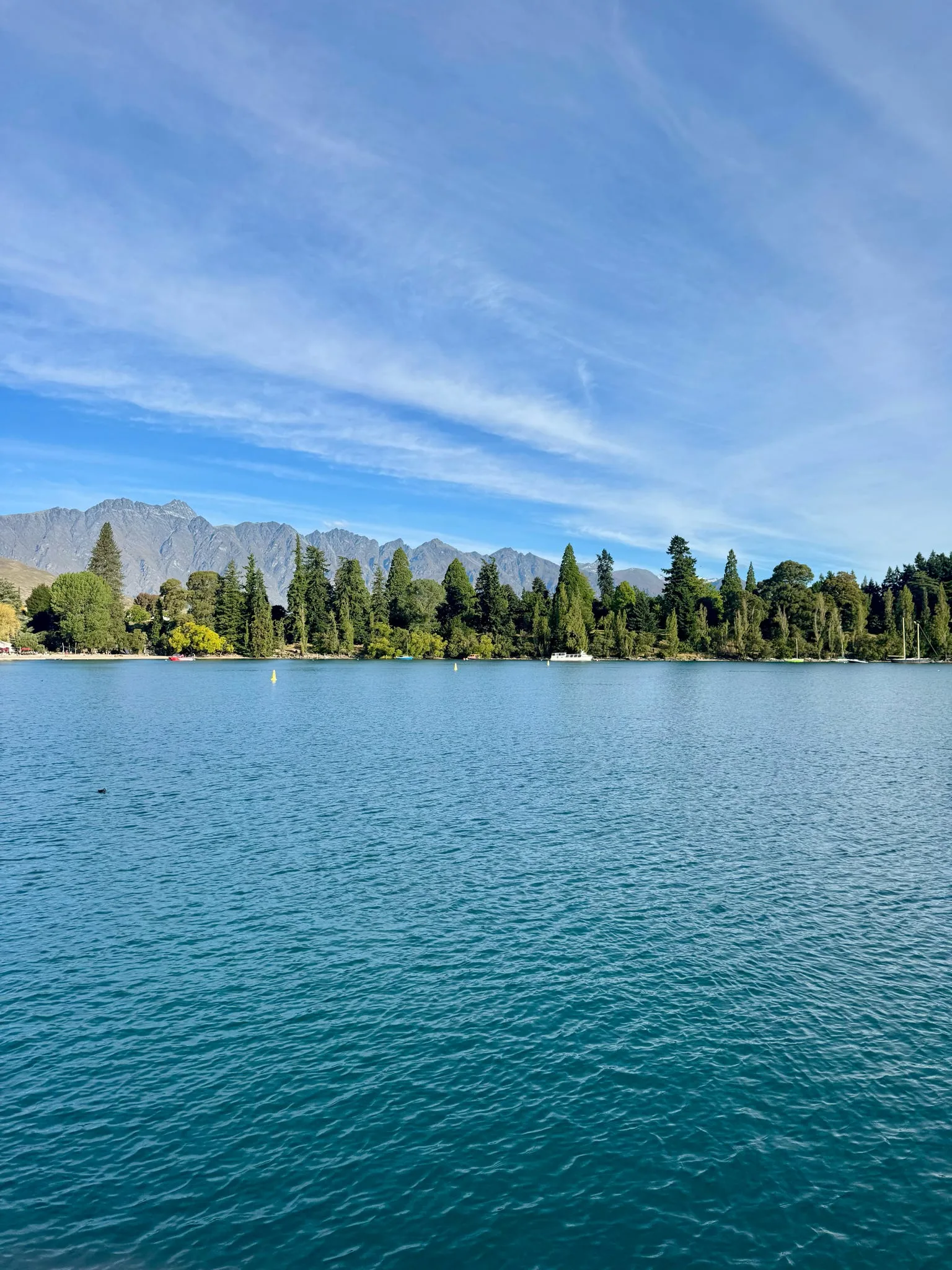
New Zealand
Road trip through New Zealand by Campervan: two islands full of nature.
Ready for your own road trip?
Request a Campervan deal with no obligation. Response within 24 hours, advice is always free.